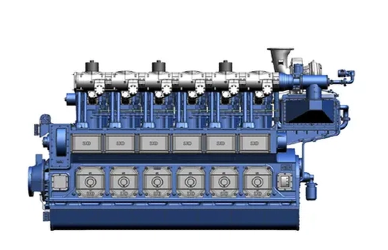
Tire cracking, also known as tire pyrolysis, is an advanced technology that thermally decomposes waste tires in an oxygen-free environment to recover valuable resources such as pyrolysis gas, oil, char, and steel. This method not only addresses the growing environmental challenge of tire waste but also converts it into useful energy and materials.
Using tire pyrolysis gas generator sets, the recovered gas can be efficiently transformed into electrical power, offering a sustainable solution that combines waste management with energy production. This approach provides significant economic benefits by generating renewable energy and valuable byproducts, while also reducing environmental pollution.
This article aims to explore effective strategies to maximize profitability from tire cracking projects through the optimal use of pyrolysis generator sets, focusing on efficiency, cost savings, and environmental compliance.
Optimize Tire Pyrolysis Gas Production
Maximizing the yield and quality of tire pyrolysis gas is fundamental to improving the overall efficiency and profitability of a tire pyrolysis gas generator set.
1. Selecting Efficient Pyrolysis Reactors
Choosing the right type of pyrolysis reactor—whether batch, semi-continuous, or fully continuous—directly impacts gas production rates. Efficient reactors ensure optimal thermal decomposition, producing a higher volume of combustible gas to fuel the generator set.
2. Importance of Feedstock Quality and Processing Parameters
The quality of scrap tires used and precise control of processing parameters such as temperature, heating rate, and residence time affect gas composition and calorific value. Consistent, high-quality feedstock and optimized operating conditions enhance gas yield and generator performance.
3. Reducing Downtime to Increase Production Capacity
Minimizing operational interruptions through reliable equipment, routine maintenance, and streamlined feeding systems ensures continuous pyrolysis and steady gas supply. Reduced downtime boosts overall power generation and project profitability.
Choose the Right Pyrolysis Gas Generator Set
Selecting the appropriate pyrolysis gas generator set is critical to ensure efficient energy conversion and stable operation in a tire cracking power station.
1. Matching Generator Capacity to Gas Output
It is essential to align the generator set’s power capacity with the volume and energy content of the produced tire pyrolysis gas. Proper matching avoids underutilization or overloading, maximizing fuel efficiency and prolonging equipment lifespan.
2. Key Features to Consider
Fuel Adaptability: The generator must handle variations in gas composition and calorific value typical of tire pyrolysis gas. Advanced control systems that adjust ignition timing and air-fuel ratios help maintain combustion stability.
Efficiency: High thermal efficiency reduces fuel consumption and operational costs, contributing to greater profitability.
Emission Control: Compliance with local environmental regulations requires integrated emission control technologies, such as catalytic converters or scrubbers, to minimize pollutants.
3. Scalable Generator Set Options
Depending on plant size and gas production, generator sets typically range from 300kW for small-scale operations, 500kW for medium-scale, up to 1000kW or higher for large industrial applications. Choosing scalable units allows flexible expansion and optimization of energy output.
Improve Gas Cleaning and Conditioning
Proper cleaning and conditioning of tire pyrolysis gas are vital steps to ensure the safe and efficient operation of a tire pyrolysis gas generator set.
1. Effective Removal of Moisture, Tar, and Impurities
Tire pyrolysis gas often contains moisture, tar, sulfur compounds, and other impurities that can harm engine components and reduce combustion efficiency. Implementing robust cleaning systems—such as cyclone separators, cooling towers, filters, and desulfurization units—removes these contaminants, protecting the generator’s internal parts from corrosion and deposits.
2. Benefits of Clean Gas for Engine Longevity and Efficiency
Using purified gas significantly enhances engine performance by promoting stable combustion and reducing wear and tear. Clean fuel lowers maintenance costs and downtime, extends the operational life of the generator set, and maintains consistent power output.
3. Investment in Advanced Gas Cleaning Systems
While advanced gas cleaning solutions may involve higher initial costs, they provide long-term savings by minimizing engine damage and maximizing fuel utilization. Investing in effective gas conditioning is essential for achieving reliable, continuous operation and meeting environmental emission standards.
Minimize Operational Costs
Keeping operational costs low is key to maximizing the return on investment for any tire pyrolysis gas generator set project. This involves efficient maintenance strategies, reliable support systems, and smart energy management.
1. Scheduled Maintenance and Ease of Servicing
Regular maintenance is essential to prevent unexpected failures and extend equipment lifespan. A well-designed tire pyrolysis gas generator set should offer easy access to components for routine inspections, oil changes, and part replacements. Predictive maintenance features, such as real-time diagnostics and alerts, can further reduce service time and costs.
2. Availability of Spare Parts and Technical Support
Operational efficiency depends heavily on the availability of spare parts and fast-response technical support. Choosing a generator set from a reputable supplier ensures access to original components and knowledgeable service teams. Reliable after-sales support minimizes downtime and keeps your power station running smoothly.
3. Energy Management and Load Balancing
Advanced control systems can optimize power output based on real-time demand, reducing fuel consumption and avoiding unnecessary stress on the generator. Effective load balancing across connected systems helps maintain performance while conserving energy, contributing to overall cost savings.
 or feed-in tariffs, especially in regions that support renewable energy. 2.Byproduct Recovery: Pyrolysis Oil, Char, and Steel Wire In addition to gas, the pyrolysis process yields valuable byproducts: Pyrolysis oil can be sold as industrial fuel or further refined. Carbon char has applications in manufacturing, agriculture, or as activated carbon. Recovered steel wire from tires can be recycled and sold to metal processors. By efficiently managing and marketing these outputs, operators can significantly increase profitability. 3.Potential for Carbon Trading and Environmental Incentives Projects using tire pyrolysis gas generator sets may qualify for carbon credits or government subsidies aimed at supporting green technologies. Participating in carbon trading markets or applying for renewable energy certifications can unlock additional financial benefits while enhancing the project’s environmental reputation. Conclusion Maximizing the profitability of a tire cracking (pyrolysis) power project requires more than just basic equipment—it calls for a well-planned strategy across every stage of the process. From improving gas yield and selecting the right tire pyrolysis gas generator set, to ensuring high-quality gas purification and minimizing operational costs, each decision directly impacts efficiency, output stability, and long-term returns. In addition to electricity generation, operators can boost revenue through the sale of valuable byproducts like pyrolysis oil, carbon black, and recovered steel wire. Moreover, participation in carbon credit programs and alignment with environmental standards offer further opportunities for financial and reputational gains. For those looking to build or upgrade a tire pyrolysis power station, working with experienced partners is key. Jiangsu Kelinyuan Clean Energy Technology Co., Ltd. provides advanced generator sets tailored to pyrolysis gas applications, along with complete technical support, system integration, and after-sales service. To explore customized solutions or request detailed product information, we highly recommend visiting www.klygenset.com or contacting their expert team directly. Let your investment in clean energy be powered by proven technology and trusted expertise.")
Maximize Revenue Streams
A well-planned tire pyrolysis project can generate multiple income sources beyond just electricity, turning waste into a diversified profit model.
1. Electricity Sales and Grid Integration
The primary function of a tire pyrolysis gas generator set is to convert pyrolysis gas into electricity. This energy can be used for internal operations or sold to the local grid, depending on the plant’s scale and location. Integration with the grid allows for consistent income through power purchase agreements (PPAs) or feed-in tariffs, especially in regions that support renewable energy.
2. Byproduct Recovery: Pyrolysis Oil, Char, and Steel Wire
In addition to gas, the pyrolysis process yields valuable byproducts:
Pyrolysis oil can be sold as industrial fuel or further refined.
Carbon char has applications in manufacturing, agriculture, or as activated carbon.
Recovered steel wire from tires can be recycled and sold to metal processors.
By efficiently managing and marketing these outputs, operators can significantly increase profitability.
3. Potential for Carbon Trading and Environmental Incentives
Projects using tire pyrolysis gas generator sets may qualify for carbon credits or government subsidies aimed at supporting green technologies. Participating in carbon trading markets or applying for renewable energy certifications can unlock additional financial benefits while enhancing the project’s environmental reputation.
Conclusion
Maximizing the profitability of a tire cracking (pyrolysis) power project requires more than just basic equipment—it calls for a well-planned strategy across every stage of the process. From improving gas yield and selecting the right tire pyrolysis gas generator set, to ensuring high-quality gas purification and minimizing operational costs, each decision directly impacts efficiency, output stability, and long-term returns.
In addition to electricity generation, operators can boost revenue through the sale of valuable byproducts like pyrolysis oil, carbon black, and recovered steel wire. Moreover, participation in carbon credit programs and alignment with environmental standards offer further opportunities for financial and reputational gains.
For those looking to build or upgrade a tire pyrolysis power station, working with experienced partners is key. Jiangsu Kelinyuan Clean Energy Technology Co., Ltd. provides advanced generator sets tailored to pyrolysis gas applications, along with complete technical support, system integration, and after-sales service. To explore customized solutions or request detailed product information, we highly recommend visiting www.klygenset.com or contacting their expert team directly.
Let your investment in clean energy be powered by proven technology and trusted expertise.