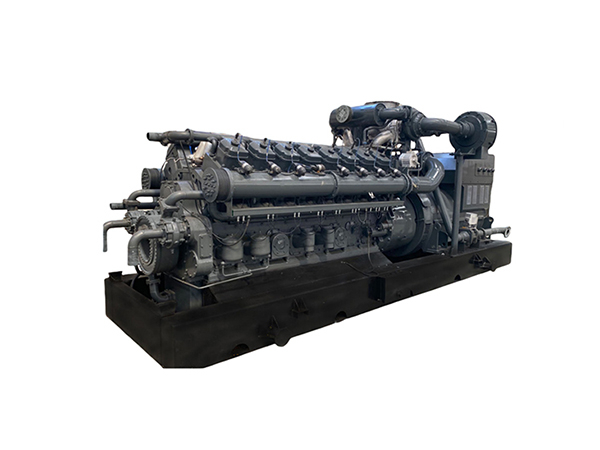
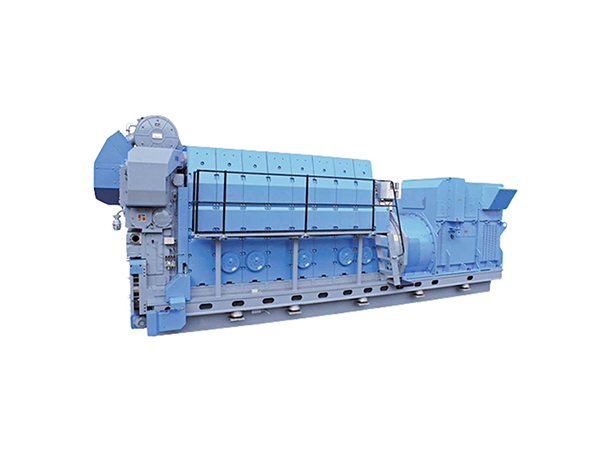
A Gas Generator Set may start normally, idle without trouble, and still lose speed or shut down as electrical demand rises. That pattern often leads buyers to suspect the engine or control system, even though the real problem may be insufficient gas pressure or flow at the generator inlet under load.
Knowing where to check can prevent failed commissioning and costly site modifications. The key is to compare static and running pressure, confirm meter and piping capacity, match fuel supply to generator demand, and verify performance under realistic load conditions before final acceptance.
Check Whether the Pressure Holds After the Generator Starts
A Static Reading Does Not Confirm Full-Load Performance
Static pressure is measured when little or no gas is moving. It may appear acceptable even when the service cannot replenish fuel fast enough after the engine starts. As a Gas Generator Set draws more gas through the meter, pipework, regulator, valves, and filters, pressure losses increase. A no-flow reading therefore confirms resting pressure, not full-load capacity.
Dynamic trends are more useful. A progressive drop at 25%, 50%, 75%, and 100% load points toward a delivery restriction. The Gas Generator Set may run smoothly unloaded, then hunt, misfire, or lose frequency as output rises. Buyers should request operating readings rather than accept a statement that gas is available.
Measure Pressure at the Generator Inlet
The best test point is normally the generator inlet or the location specified in the model documentation. It captures the combined upstream losses and shows what the engine fuel system receives. Record cranking, no-load, progressive-load, rated-output, and agreed transient conditions. Qualified personnel should use calibrated instruments suitable for gas systems.
No universal value applies to every Gas Generator Set. Engine design, package size, gas train, and fuel type change the requirement. KLY’s 12V190G series includes 500–600 kW and 800–1,000 kW configurations with a 300 kPa inlet-pressure requirement, while the 100 kW 1500 RPM unit uses a different engine and intake arrangement. Follow the selected model’s technical requirements rather than applying generic figures.
Recognize the Signs of Fuel Starvation
Fuel starvation often appears during starting or load acceptance. Repeated cranking, slow speed recovery, frequency sag, hunting, misfire, or shutdown after a large load step justify investigation. A Gas Generator Set that reaches rated speed but cannot produce the expected kW may also lack usable fuel energy. Because these symptoms are not conclusive, check ignition, air supply, gas quality, controls, and electrical load as well.
Pressure Readings That Matter
Reading
Test Condition
What It Reveals
Static pressure
Generator stopped
Available resting pressure
Starting pressure
Engine cranking
Whether supply collapses during startup
Running pressure
Stable partial load
General supply stability
Full-load pressure
Rated electrical output
Ability to support continuous operation
Peak-demand pressure
Other gas equipment operating
Effect of shared site demand
Trace the Pressure Loss Through the Site Fuel System
Confirm the Utility Service and Meter Capacity
Check the meter and service against total facility demand, not the generator alone. Boilers, furnaces, ovens, dryers, and process burners may already consume much of the capacity. Adding an industrial gas generator set can reveal a hidden limitation. The utility main, service line, and meter must all support simultaneous load.
Review peak conditions such as winter heating, production startup, or several units starting together. A larger meter helps only when the meter is the bottleneck; it cannot correct an undersized service line or weak upstream network. Obtain an approved load calculation and complete required upgrades before equipment approval. Meter capacity and incoming pressure should also be tested wherever low-pressure service may affect generator operation.
Review Pipe Diameter, Length, and Fittings
Pressure loss rises with narrow pipe, long runs, and high flow. Elbows, tees, reducers, flexible connectors, valves, and elevation changes add resistance, so physical distance alone is misleading. Equivalent length converts these restrictions into added straight-pipe length for sizing. A short but heavily fitted route may behave like a much longer line.
Size piping for maximum fuel demand, available pressure, allowable drop, gas properties, and simultaneous use. Average consumption is unsafe because the hardest condition may occur during startup or rated output. For a Gas Generator Set, a calculation with margin is more dependable than the best reading from a quiet period. Include foreseeable site expansion as well.
Inspect Regulators, Valves, and Filters
Select regulators for flow capacity as well as inlet and outlet pressure. An undersized unit may hold pressure at idle and droop when demand rises. Wrong spring range, poor sensing-line placement, or selection for another gas train can cause similar behavior. Adjustment cannot create missing capacity.
Inspect the entire fuel path for partly closed valves, blocked strainers, contaminated filters, small ports, damaged hoses, and wrongly installed shutoff devices. Treat leakage first as a safety issue, although it may also reduce delivery. These checks belong in installation quality control for every new Gas Generator Set.
Account for Other Equipment Using Gas at the Same Time
An off-hours test may overstate pressure if the Gas Generator Set normally operates while the plant is active. Shared demand can pull down meter pressure or increase losses in common piping. Reproduce realistic combinations, including heating equipment, production burners, or several units starting in sequence. This reveals fuel competition before acceptance.
Compare pressure with other site gas users off and then operating. A meaningful difference indicates a shared-capacity problem upstream of the Gas Generator Set, not an isolated package restriction. It may also show whether load scheduling offers a temporary remedy.
Match the Generator’s Fuel Demand to the Gas Actually Available
Compare Required Flow at Several Load Levels
Pressure and flow describe different parts of the same supply problem. The gauge may remain within range while the line still fails to deliver enough gas volume as engine demand rises. Conversely, high available flow does not help when pressure at the fuel-control point falls outside the specified range. Buyers should obtain consumption data for startup, partial load, rated load, and any required transient condition.
All values must use consistent units and reference conditions. Electrical kW alone does not show the fuel input required by a high-efficiency gas generator set. The KLY 100 kW model has a gas-energy consumption value of 10,286 kJ/kWh, while the 12V190G configurations use values of 9,000±5% or 8,780±5% kJ/kWh, depending on the selected configuration. Model-specific data is therefore more reliable than a general rule based only on generator size.
Scale also changes the surrounding infrastructure. KLY supplies equipment ranging from compact industrial units to multi-megawatt systems, and the 6L40/52G series provides 3,000–4,000 kW rated power with air-fuel-ratio control for changing loads. Moving to a large-capacity gas generator set may require larger pipework, different regulation stages, higher supply pressure, or a redesigned gas train. Fuel-system engineering should proceed with generator selection, not after purchase.
Check Gas Quality Before Treating Pressure as the Only Problem
Low pressure is not the only reason an engine may fail to reach rated output. Low heating value, changing methane concentration, moisture, hydrogen sulfide, siloxanes, particulates, and other contaminants can reduce usable energy or disturb combustion. A pressure gauge cannot identify these conditions. Sites using biogas, landfill gas, oilfield gas, biomass gasification gas, or industrial by-product gas need a recent representative analysis.
The report should state lower heating value, methane content, expected composition range, moisture, corrosive constituents, solids, and condensable contaminants. Variable fuels may require samples from different seasons or production states rather than one favorable test. KLY provides Gas Generator Set configurations for natural gas, biogas, LPG, oilfield gas, biomass gasification gas, landfill gas, and other gaseous fuels, making fuel-to-package matching an essential part of selection. Stable pressure with weak or contaminated gas is still an unsuitable supply.
Prove the Fuel Supply Under a Real Electrical Load
Build the Test Around the Worst Expected Condition
Verify the system after all piping, gas-train, regulator, control, and Gas Generator Set installation work is complete. Begin with startup and no-load operation, then raise electrical demand in planned stages to rated continuous output. Reproduce the largest expected motor, pump, compressor, or transformer load step. An unloaded demonstration cannot prove that a Gas Generator Set has enough fuel for service.
Conditions should be demanding but realistic. Run other major gas users when simultaneous operation is expected, and hold each stage until pressure and engine behavior stabilize. For multiple generators on one supply, include the planned starting sequence and combined demand. Acceptance should represent the hardest credible case.
Record Fuel and Electrical Data Together
Log fuel and electrical values on one timeline: pressure before the final regulator, inlet pressure, gas flow, kW, engine speed, frequency, voltage, and alarms. Matching timestamps shows whether pressure falls before speed and frequency deteriorate. Without synchronized data, an upstream shortage may look like a governor, alternator, or load-management fault. The relationship between values matters more than any isolated reading.
Record instruments, calibration status, test points, gas composition, active site equipment, ambient conditions, and stage duration. Write model-specific limits into the procedure before testing. The 6L40/52G Gas Generator Set uses air-fuel-ratio control to respond to changing loads, but the control system still depends on an adequate fuel supply reaching the engine. Controls cannot create missing flow.
Decide Whether to Upgrade the Supply or Revise the Project
When testing confirms a restriction, repair the actual bottleneck. Options include larger piping, a correctly sized regulator, meter or service upgrades, clean filters, less restrictive valves, or an engineered gas booster. A booster must suit minimum inlet pressure, required outlet pressure, maximum flow, control response, and shutdown protection. Do not use engine tuning to disguise inadequate supply.
Some sites cannot support the selected Gas Generator Set economically. The team may reduce rating after a load study, stage capacity, prioritize essential circuits, prevent simultaneous large starts, or choose another fuel arrangement. Decide before delivery because late changes affect foundations, electrical equipment, controls, and acceptance. A smaller fully supported unit is better than a larger machine that cannot reach rated output.
Buyer’s Pre-Acceptance Checklist
● Model-specific inlet-pressure range confirmed
● Startup and full-load fuel demand documented
● Gas composition and heating value reviewed
● Utility service and meter capacity approved
● Pipe-sizing calculation completed
● Regulator flow capacity verified
● Dynamic pressure measured at the generator inlet
● Other site gas loads included in the test
● Rated-load and load-step performance witnessed
● Results added to the commissioning record
Conclusion
Low gas pressure should be treated as a system-level issue, not simply an engine fault. Buyers need to confirm dynamic inlet pressure, available flow, gas quality, piping capacity, and full-load performance before approving a Gas Generator Set. These checks reduce commissioning delays, unstable output, and costly fuel-system modifications.
Kelinyuan supports gas generator projects with model selection, system configuration, commissioning, and technical service. Matching the generator package to actual site conditions helps operators achieve more stable power generation and use available gaseous fuels more effectively.
FAQ
Q: What happens when generator gas pressure is too low?
A: Low inlet pressure can cause hard starting, rough running, engine-speed hunting, reduced output, or stalling when load increases. Symptoms often appear only during startup or full-load operation.
Q: How much gas pressure does a Gas Generator Set need?
A: There is no universal value. Required inlet pressure varies by model, fuel type, regulator design, and load. Always follow the specification for the selected generator.
Q: Why is static gas pressure different from running pressure?
A: Static pressure is measured with little fuel flowing. Running pressure shows whether the supply can maintain adequate pressure while the engine consumes gas and carries electrical load.
Q: Can an undersized gas pipe reduce generator output?
A: Yes. Small-diameter pipes, long runs, restrictive fittings, and undersized regulators can increase pressure loss, limiting the fuel volume available when generator demand rises.
Q: Where should generator gas pressure be measured?
A: Pressure should be checked at the generator fuel inlet under startup, partial-load, and full-load conditions, using a suitable manometer operated by qualified fuel-system personnel.