In the face of increasing environmental concerns and the need for sustainable energy solutions, biogas generator sets have emerged as a key technology for producing clean, renewable energy. These systems convert organic waste into biogas, which can then be used for electricity generation or thermal energy. As industries and households seek more eco-friendly power sources, the use of biogas generators is becoming more widespread, offering a clean, cost-effective alternative to fossil fuels.
In this article, we will delve into what a biogas generator set is, how it works, its core components, and the many benefits it offers. We'll also explore its applications, how to choose the right system, and its maintenance needs to ensure maximum efficiency.
What is a Biogas Generator Set?
A biogas generator set is a specialized power generation system that produces electricity or heat from biogas. The biogas is typically generated by anaerobic digestion of organic materials such as food waste, agricultural residues, or sewage. These generator sets convert the biogas into energy by burning it in an engine or turbine.
The primary goal of a biogas generator set is to harness the energy potential of biogas, an environmentally friendly alternative to conventional fossil fuels. As a renewable resource, biogas is not only a cleaner energy source but also helps manage waste, reducing the overall environmental footprint.
How Does a Biogas Generator Work?
The operation of a biogas generator set is a multi-step process that begins with the production of biogas and ends with energy generation. Here is a breakdown of how the process works:
Organic Waste Collection: Organic materials such as agricultural waste, livestock manure, food scraps, and sewage are collected and placed into a digester.
Anaerobic Digestion: Inside the digester, the organic material is broken down by microorganisms in an oxygen-free environment, producing biogas (mainly methane and carbon dioxide).
Gas Collection: The biogas produced is collected and stored for use. It is typically filtered to remove impurities such as hydrogen sulfide, moisture, and particulates.
Energy Conversion: The purified biogas is fed into a combustion engine or gas turbine. When the biogas is burned, it drives the engine, which in turn generates electricity. Alternatively, the heat produced can be used for heating purposes.
Electricity Distribution: The electricity generated by the biogas generator set can be used on-site or fed into the grid.
Components of a Biogas Generator Set
A biogas generator set consists of several critical components that work together to convert biogas into usable energy. Each component plays a vital role in ensuring the system runs efficiently and effectively:
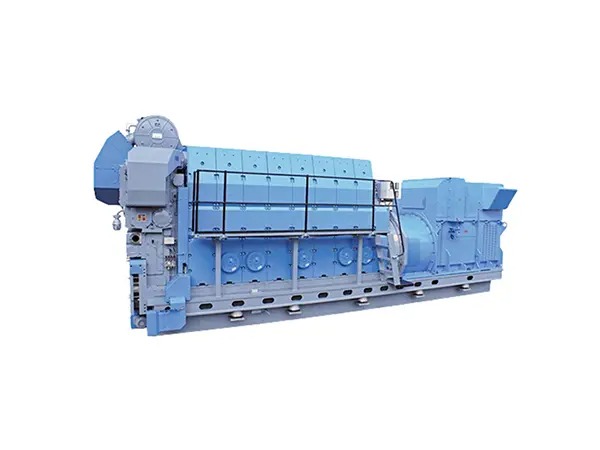
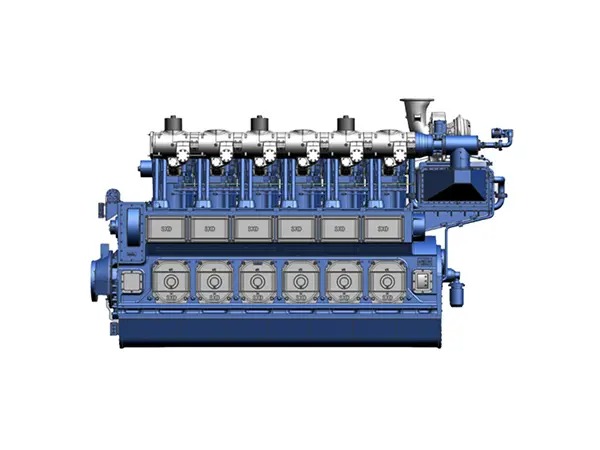
Biogas Engine and Generator: This is the core of the system, where the biogas is burned to generate mechanical power, which is then converted into electricity.
Biogas Digester: A sealed container where organic waste is broken down by bacteria in the absence of oxygen to produce biogas.
Gas Filter and Purification System: Ensures that the biogas is free of harmful substances like moisture, hydrogen sulfide, and particulates before it enters the engine.
Control Panel: Manages the operation of the biogas generator set, including monitoring performance, fuel input, and output.
Heat Exchanger: In some systems, a heat exchanger recovers excess heat from the engine to provide hot water or space heating.
Electrical Distribution System: Delivers the electricity generated to either the local load or the electrical grid.
Benefits of Using a Biogas Generator Set
Environmental Benefits
One of the primary advantages of using a biogas generator set is its positive environmental impact. By converting organic waste into biogas, these systems help reduce the burden on landfills and prevent methane emissions. Methane is a potent greenhouse gas, and capturing it for energy production significantly reduces its impact on climate change.
Low Emissions: Biogas generator sets have lower emissions compared to traditional fossil fuel-based power generation methods.
Waste Management: They provide an effective means of handling organic waste, turning it into a valuable resource rather than allowing it to decompose in landfills.
Economic Benefits
Another key advantage of biogas generator sets is the economic savings they provide:
Energy Independence: For businesses and farms, using a biogas generator set allows for self-sufficiency in energy production, reducing dependence on external energy suppliers.
Cost Savings: While the initial investment in a biogas generator set may be significant, long-term operational costs are relatively low, especially considering the savings on electricity bills and the potential for selling excess power back to the grid.
Subsidies and Incentives: Many governments offer financial incentives for businesses and farms to invest in renewable energy systems, further reducing the initial cost of installation.
Applications of Biogas Generator Sets
Biogas generator sets have a wide range of applications across different sectors. Their versatility makes them suitable for both small-scale and large-scale operations. Some common applications include:
Agriculture: Farms and livestock operations can use biogas generator sets to convert animal manure into biogas, providing a reliable energy source while managing waste.
Wastewater Treatment Plants: Biogas generators are often used in wastewater treatment facilities to generate electricity from sewage and organic waste.
Industrial Use: Factories and industrial operations can benefit from high-efficiency biogas generator sets to power operations, particularly where organic waste is generated as a byproduct.
Off-grid Communities: For rural or remote areas that lack access to a reliable power grid, biogas generators offer a sustainable and cost-effective solution.
Choosing the Right Biogas Generator Set
Selecting the right biogas generator set depends on various factors, including the type and amount of organic waste available, the energy needs of the site, and the desired level of efficiency. Here are a few things to consider when choosing a system:
Energy Requirements: Assess the amount of energy your site needs and select a generator set with an appropriate capacity.
Efficiency: Look for high-efficiency biogas generators that maximize energy production while minimizing fuel consumption.
Space and Installation: Consider the space available for installation, especially for compact biogas generator sets that are designed for smaller sites.
Maintenance Needs: Choose a generator set that offers ease of maintenance and has accessible support services.
Maintenance and Efficiency of Biogas Generator Sets
To ensure optimal performance and long-term durability, regular maintenance of a biogas generator set is essential. Maintenance tasks may include:
Cleaning the gas filter to ensure that the biogas entering the engine is free of contaminants.
Monitoring engine performance and conducting regular checks for wear and tear.
Lubricating the engine to reduce friction and extend its lifespan.
Checking gas flow and pressure to ensure consistent energy production.
Additionally, regular monitoring and optimization of the system’s efficiency can help reduce operational costs and improve energy output.
Conclusion
A biogas generator set represents a valuable solution for businesses, farms, and even entire communities looking to adopt sustainable energy practices. With its ability to convert organic waste into renewable energy, it offers numerous environmental and economic benefits. By choosing the right system and maintaining it effectively, users can ensure long-term operational success and contribute to the global shift towards more sustainable energy solutions.
FAQ
1. How much energy can a biogas generator set produce? The energy output of a biogas generator set depends on its size and the volume of biogas available. Systems can range from small units producing a few kilowatts of power to larger industrial units generating several megawatts.
2. What type of organic waste is suitable for biogas production? Biogas can be produced from a variety of organic materials, including food waste, agricultural residues, animal manure, sewage, and even industrial waste.
3. Are biogas generator sets expensive to install? The initial investment for a biogas generator set can be significant, but the long-term savings and environmental benefits often make it a cost-effective solution in the long run.
4. Can biogas generators be used for both electricity and heat? Yes, many biogas generator sets are designed to produce both electricity and heat, which can be used for on-site heating or power generation.
5. How often does a biogas generator set need maintenance? Routine maintenance is necessary every 6 to 12 months, depending on the system's usage and the manufacturer's recommendations. Regular monitoring can also help optimize performance.