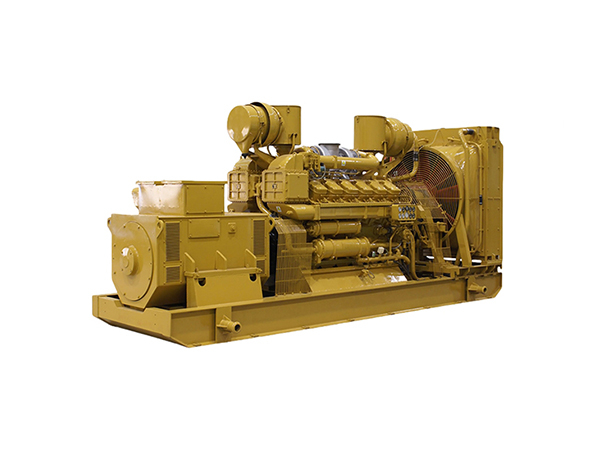
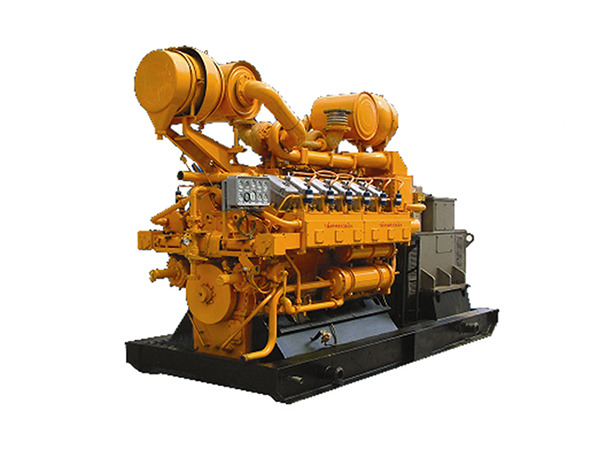
A gas generator may start normally and hold a steady speed yet still fail to reach its rated electrical output. Low heating value, changing gas composition, poor knock resistance, inadequate supply pressure, moisture, and contaminants can all limit combustion or force protective derating. Identifying the real cause requires more than checking methane concentration or replacing engine parts. By examining fuel energy, methane number, dynamic pressure, and common contaminants, operators can determine why a Gas Generator Set is losing output and choose the right corrective action.
Low-Energy Gas Leaves the Engine Short of Usable Fuel
Lower Heating Value Sets the Basic Energy Limit
Lower heating value, commonly shortened to LHV, represents the usable thermal energy released when a specified quantity of gas is burned. An industrial Gas Generator Set converts part of that thermal input into mechanical shaft power and then into electricity.When LHV declines, the engine must receive a larger volume of gas to produce the same kW output.
The control system normally responds by opening the gas valve further and adjusting the air–fuel ratio. That compensation works only while the mixer, valve, regulator, piping, compressor, and turbocharging system have sufficient capacity. Once one component reaches its flow limit, the engine cannot receive the heat input required for rated power. It may continue running smoothly, but its maximum electrical output will remain below the nameplate value.
Carbon Dioxide and Nitrogen Dilute the Fuel
Carbon dioxide, nitrogen, oxygen, and other non-combustible components occupy space in the gas stream without contributing useful combustion energy. Their presence reduces the amount of fuel energy entering each cylinder during an intake cycle. This issue is especially relevant to landfill gas, digester gas, low-concentration mine gas, and other industrial gases whose composition varies with feedstock or production conditions.
A stable but diluted fuel can often be managed through correct engine selection and intentional derating. Rapidly changing dilution is more difficult because the controller must continuously adjust gas flow, ignition timing, and mixture strength. Sudden changes can produce unstable exhaust temperatures, slow load response, or repeated movement between normal and limited-output operation.
Knock Resistance Can Limit Output Even When the Gas Has Enough Energy
Methane Number Reveals the Risk of Abnormal Combustion
A high heating value does not automatically mean that a gas is suitable for full-load operation. Methane number evaluates the fuel’s resistance to knock in a reciprocating gas engine. Heating value describes how much energy is available, whereas methane number indicates how safely the engine can release that energy at a given compression ratio, boost pressure, mixture setting, and ignition timing.
Methane generally offers strong knock resistance. Propane, butane, and other heavier hydrocarbons may raise the calorific value while lowering methane number. As a result, a Gas Generator Set supplied with energy-rich gas can encounter a knock limit earlier than one operating on a leaner but more knock-resistant mixture.
Protective Engine Controls May Reduce Load Before Damage Occurs
Knock creates rapid pressure oscillations inside the cylinder rather than a controlled flame front. Sustained operation under severe knock can increase thermal and mechanical stress on pistons, cylinder heads, bearings, and valves. Modern controls are designed to intervene before those conditions cause significant damage.
The controller may retard ignition timing, alter the air–fuel ratio, reduce boost, or lower the permitted cylinder load. Each action protects the engine but can also reduce generator output. Operators may notice that a high-power Gas Generator Set accepts moderate load normally but stops increasing power near the top of its operating range.
Gas Pressure Problems Often Look Like Poor Gas Composition
Pressure Must Be Measured While the Generator Is Under Load
A pressure reading taken while the Gas Generator Set is stopped reveals little about the supply system’s real capacity. Static pressure may appear acceptable because almost no gas is flowing. Pressure measured at idle is more useful, but it still does not represent the demand created by a high electrical load.
Dynamic pressure should be recorded close to the engine inlet while the unit starts, accepts load, and approaches its intended output. A supply that cannot maintain pressure may cause slow load response, lean combustion, misfire, speed fluctuation, or shutdown during a large load step. The generator may appear to have poor-quality fuel when the actual problem is that insufficient gas volume reaches the mixer.
Restrictions Between the Gas Source and Engine Reduce Available Flow
Pressure loss can occur anywhere between the source and the engine. Common causes include undersized piping, excessive pipe length, too many fittings, blocked filters, contaminated separators, partially closed valves, or regulators selected for average rather than peak demand. Compressor and blower instability can create similar problems on low-pressure biogas or industrial-gas installations.
Pressure and flow should be logged throughout startup, load ramping, and steady full-load operation. Comparing these trends with engine output helps separate a supply-capacity problem from a composition problem. If pressure falls as gas-valve demand rises, the piping, filtration, regulator, or upstream source should be investigated before combustion settings are changed.
Moisture and Contaminants Turn Output Loss into an Ongoing Maintenance Problem
Condensate Disrupts Regulation and Combustion
Raw gas may carry water vapor, hydrocarbon vapor, or both. When the gas cools below its dew point, liquid forms inside piping, coolers, filters, or regulators. Even a small quantity of condensate can interfere with pressure control and create intermittent fuel delivery.
Liquid accumulation may block filter media, damage regulator components, corrode steel surfaces, or move suddenly toward the engine during a load change. The resulting symptoms include unstable gas pressure, irregular combustion, misfire, and temporary power loss. Because condensate can collect at low points, an apparently dry sample taken elsewhere in the system may not represent conditions at the engine inlet.
Sulfur Compounds Cause Corrosion and Lubricant Degradation
Hydrogen sulfide and other sulfur compounds may not reduce fuel energy enough to cause an immediate drop in output. Their effects often appear gradually through corrosion, deposit formation, and accelerated lubricant deterioration. Bearings, valves, cylinder surfaces, gas-control components, and exhaust-treatment equipment can all be affected.
Combustion products from sulfur-containing gas may enter the lubricating oil and contribute to acidic conditions. As oil performance declines, friction, wear, and deposit formation increase. The Gas Generator Set may then require shorter oil-change intervals or reduced operating load to keep temperatures and wear within acceptable limits.
Odor is not a reliable measurement method, and acceptable sulfur concentration cannot be set by a universal number. Limits should reflect the engine design, lubricant specification, operating hours, exhaust system, and required maintenance interval. Hydrogen sulfide and other sulfur compounds therefore need to be evaluated as part of the overall gas-treatment design.
Siloxanes and Particulates Build Deposits Where Combustion Matters Most
Siloxanes are a particular concern in gas from wastewater treatment and landfills. When silicon-containing compounds pass through the combustion chamber, they can form hard mineral-like deposits. These residues may accumulate on spark plugs, valves, piston surfaces, cylinder heads, turbocharger components, and exhaust equipment.
Spark-plug fouling can weaken ignition and create misfire under load. Deposits on valves or combustion surfaces can disturb airflow, increase hot spots, and alter cylinder balance. Siloxane combustion can also form abrasive silica deposits that accelerate wear and damage gas engines, heat exchangers, and emissions-treatment systems.
Oil mist, rust, dust, tar, and compressor carryover create additional restrictions or deposits. Replacing spark plugs or cleaning components may temporarily restore performance, but output will decline again if the untreated gas remains unchanged. Siloxanes, hydrogen sulfide, carbon dioxide, nitrogen, oxygen, moisture, and particulates may all require treatment before the gas enters the engine.
From Low Output to Root Cause: A Practical Testing Sequence
Match Each Operating Symptom to the Right Measurement
Troubleshooting should begin with the operating pattern rather than a random sequence of component replacements. A stable but consistently low maximum output points toward a different cause than sudden misfire during a load step. Matching the symptom to the most relevant measurement reduces testing time and helps prevent unnecessary adjustment of a correctly functioning Gas Generator Set.
Gas should not be assumed to be the cause solely because one of these symptoms appears. Ignition faults, restricted air intake, turbocharger problems, cooling limitations, alternator issues, and phase imbalance can create similar behavior. The purpose of the table is to select the next measurement, not to make a final diagnosis without test data.
Build a Representative Gas-Quality and Load-Test Record
A useful gas analysis should represent the fuel that reaches the engine during normal operation. Sampling immediately after a treatment system, during unusually low demand, or at only one point in a variable production cycle may produce misleading results. Laboratory testing should measure the main combustible components, carbon dioxide, nitrogen, oxygen, heavier hydrocarbons, moisture, and relevant trace contaminants.
A complete test record should include:
●Gas composition, LHV, Wobbe index, and methane number
●Moisture or dew point, hydrogen sulfide, and total sulfur
●Siloxane testing for landfill and wastewater-derived gas
●Inlet pressure and flow throughout the load test
●Gas-valve position, knock activity, exhaust temperatures, and maximum kW
●Comparison with the exact engine’s approved fuel specification
One sample may be insufficient when gas composition changes with season, feedstock, production rate, wellfield conditions, or upstream industrial processes. Trend data is more valuable than an isolated result because it shows whether output loss follows a repeatable change in fuel composition or pressure.
Choose Between Treatment, Control Adjustment and Derating
The corrective action should address the confirmed constraint. Carbon dioxide or nitrogen dilution may require gas upgrading, blending, a larger fuel system, or intentional derating. Falling dynamic pressure calls for changes to piping, regulators, filters, compressors, or the upstream supply rather than a different ignition map.
Moisture and particulates require separation, drying, filtration, and better condensate management. Sulfur compounds and siloxanes need treatment selected for their concentration, flow rate, and expected media life. Control adjustments are appropriate only when the tested gas remains within an approved operating range and the engine configuration allows recalibration.
Some fuel sources cannot economically be upgraded enough to support full nameplate output. In that case, a documented derating is safer than repeatedly overriding alarms or opening the gas valve beyond its intended range. KLY offers Gas Generator Set configurations for natural gas, biogas, landfill gas, LPG, gasification gas, and several specialized industrial gases. Engine and fuel-system selection should therefore be based on the actual gas composition and operating conditions rather than kW alone.
Conclusion
Low generator output is not always an engine or alternator fault. Low heating value, poor knock resistance, unstable pressure, moisture, and trace contaminants can all reduce the usable power of a Gas Generator Set. Reliable diagnosis depends on combining gas analysis with pressure, flow, load, and combustion data before changing controls or replacing components.
Jiangsu Kelinyuan Clean Energy Technology Co., Ltd. provides gas generator sets, gas purification systems, and project-specific configuration support for different fuel conditions. Matching the generator, treatment equipment, and supply system to the actual gas helps maintain stable output, control operating losses, and reduce avoidable maintenance.
FAQ
Q: Why can a gas generator run normally but produce less power?
A: Low heating value, excessive inert gases, inadequate fuel pressure, knock-limited combustion, or contaminants can reduce available engine power even when startup and speed appear normal.
Q: How does gas quality affect a Gas Generator Set?
A: Gas composition determines energy content, Wobbe index, and methane number. Changes in these values can increase fuel demand, trigger protective derating, or prevent full-load operation.
Q: Can low gas pressure reduce generator output?
A: Yes. Static pressure may appear normal while pressure drops as load rises. Restricted piping, filters, regulators, or shared demand can prevent sufficient fuel from reaching the engine.
Q: What does methane number indicate in generator fuel?
A: Methane number indicates resistance to engine knock. A lower value can force ignition retardation or load reduction, even when the gas contains sufficient combustion energy.
Q: Which gas contaminants can reduce generator performance?
A: Moisture, hydrogen sulfide, siloxanes, oil mist, and particulates can cause corrosion, deposits, misfire, restricted flow, and progressive output loss in gas engines.