Have you noticed generators losing power in mountain regions? Many industries now rely on Gas Generator Sets in high-altitude locations like mines and remote infrastructure. However, thin air and low pressure create serious engineering challenges. In this article, you will learn how altitude affects generator performance and what special configurations help maintain reliable operation.
Why High Altitude Creates Challenges for Gas Generator Sets
Reduced Air Density and Combustion Efficiency
Gas generator sets rely on internal combustion engines, which require a balanced mixture of fuel and oxygen to operate efficiently. At higher elevations, atmospheric pressure drops significantly, meaning the same volume of air contains fewer oxygen molecules. Although the percentage of oxygen in the air remains roughly constant, the reduced air density limits how much oxygen enters the combustion chamber during each cycle. As a result, generators designed for sea-level conditions often struggle to maintain optimal combustion when operating in mountain environments.
When the engine receives less oxygen but continues supplying the same amount of fuel, the mixture becomes overly rich. This imbalance leads to incomplete combustion, which reduces the amount of usable energy produced from the fuel. Over time, unburned fuel residues may accumulate inside the engine, causing carbon deposits on spark plugs, valves, and other critical components. These deposits can lead to rough operation, reduced efficiency, and increased maintenance requirements, particularly when gas generator sets are used continuously in high-altitude locations.

Power Loss and Generator Output Derating
One of the most noticeable effects of altitude on gas generator sets is reduced power output. Because combustion efficiency declines with thinner air, engines simply cannot produce the same level of mechanical energy as they would at sea level. In most cases, generator manufacturers estimate that output power decreases by approximately 3–4% for every 1,000 feet (about 305 meters) of elevation gain.
The impact becomes more significant as altitude increases. Even moderate elevations can noticeably reduce available generator capacity.
Elevation | Approximate Power Loss |
3,000 ft (≈914 m) | 9–12% |
5,000 ft (≈1,524 m) | 15–20% |
8,000 ft (≈2,438 m) | 24–32% |
For this reason, projects located in mountainous areas often require oversized gas generator sets to maintain the desired output. Engineers typically add an additional power margin during system design to compensate for altitude-related derating. Without this adjustment, generators may be forced to operate near their maximum capacity, increasing wear and reducing long-term reliability.
Cooling and Environmental Stress in Mountain Environments
Cooling systems are also affected by high altitude conditions. Many gas generator sets rely on airflow to remove heat from the engine and generator components. At higher elevations, thinner air carries less thermal energy away from surfaces, which means the cooling process becomes less efficient. Even in cooler climates, engines may experience higher internal temperatures because the surrounding air cannot dissipate heat as effectively.
Beyond cooling limitations, generators operating in mountainous regions face several additional environmental stresses. Daily temperature swings can be dramatic, especially in plateau or alpine climates where daytime warmth is followed by freezing nighttime conditions. These rapid changes place extra strain on engine materials, seals, and electronic components. Lower air pressure can also influence fuel delivery systems and sensor accuracy.
Outdoor installations in remote highland areas may also encounter strong winds, dust, and fluctuating humidity levels. Together, these factors make generator operation more demanding than in low-altitude environments, requiring equipment that is specifically designed or configured to handle such conditions reliably.
Core Engine Configurations Required for High-Altitude Gas Generator Sets
High-Altitude Air–Fuel Ratio Adjustment
Maintaining the correct air–fuel ratio is one of the most important technical adjustments for gas generator sets operating at high altitude. Because thinner air contains less oxygen, engines calibrated for sea-level conditions often inject too much fuel relative to the available air. This imbalance can cause incomplete combustion, increased fuel consumption, and carbon buildup inside the engine.
To address this issue, manufacturers often provide high-altitude carburetor kits or recalibrated fuel injection systems. These solutions reduce the amount of fuel entering the combustion chamber so it better matches the lower oxygen density. For smaller generators, this may involve installing smaller carburetor jets that limit fuel flow. For larger industrial units, fuel injection timing and quantity can be electronically adjusted to achieve the same effect.
Modern gas generator sets increasingly rely on advanced fuel management systems capable of monitoring environmental conditions in real time. Sensors track parameters such as air pressure, temperature, and engine load, allowing the control system to dynamically adjust fuel delivery. This automated approach helps maintain stable combustion and consistent performance even when operating conditions vary throughout the day or across different elevations.
Electronic Fuel Injection and Intelligent Control Systems
Electronic fuel injection (EFI) systems offer a more sophisticated solution for generators that must operate in challenging or changing altitude conditions. Instead of relying on fixed fuel settings, EFI technology continuously calculates the optimal fuel supply based on sensor data collected from the engine and surrounding environment. This allows the system to maintain an efficient combustion process even when air density fluctuates.
Typical EFI systems monitor several parameters simultaneously, including intake air pressure, ambient temperature, engine speed, and load demand. The control unit then adjusts fuel injection timing and quantity to keep the air–fuel mixture within an efficient range. Compared with traditional carbureted systems, this approach significantly reduces the risk of rich combustion, misfires, or unstable engine operation.
For projects located in mountainous regions—such as mining sites, pipeline stations, or remote infrastructure—these intelligent control systems provide important operational advantages. Generators equipped with EFI generally start more reliably in cold conditions, maintain smoother power output, and require fewer manual adjustments when moved between different elevations. This combination of adaptability and automation makes EFI-equipped gas generator sets particularly suitable for high-altitude energy applications.
Turbocharging and Combustion Optimization
As elevation increases, the most direct way to compensate for oxygen loss is to increase the amount of air entering the engine. Turbocharging technology is widely used for this purpose in medium and large gas generator sets. By using exhaust gases to drive a turbine, the turbocharger compresses incoming air before it enters the combustion chamber. This increases air density and allows the engine to receive more oxygen despite the lower atmospheric pressure.
In many high-performance generator engines, turbocharging is combined with intercooling systems. After compression, intake air becomes hotter, which can reduce its density and limit efficiency. Intercoolers cool the compressed air before it reaches the cylinders, restoring density and improving combustion performance. The combination of turbocharging and intercooling helps maintain stable power output even in demanding high-altitude environments.
Beyond airflow management, modern generator engines also incorporate combustion optimization techniques. Advanced ignition control, improved fuel atomization, and refined combustion chamber designs help ensure that fuel burns more completely under low-pressure conditions. These improvements reduce emissions, improve fuel economy, and maintain reliable engine operation when oxygen availability is limited.
Example: High-Altitude-Optimized Gas Generator Set Design

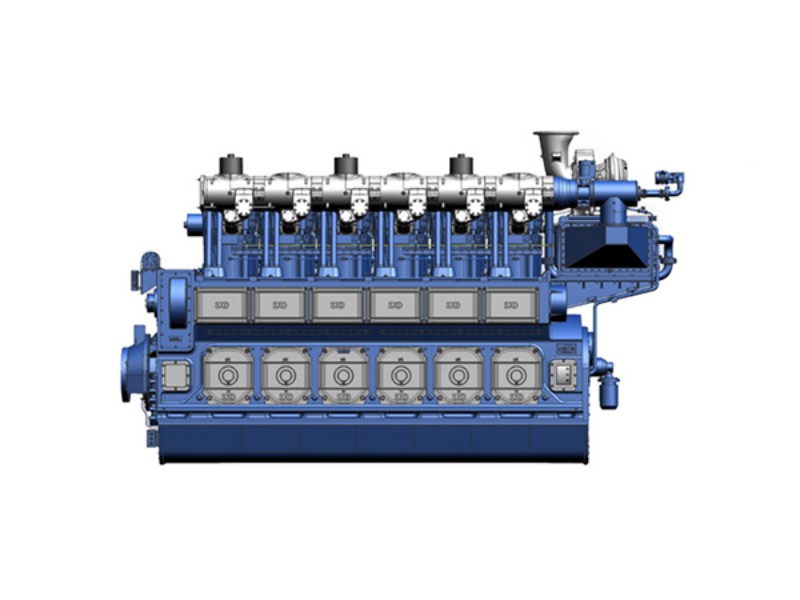
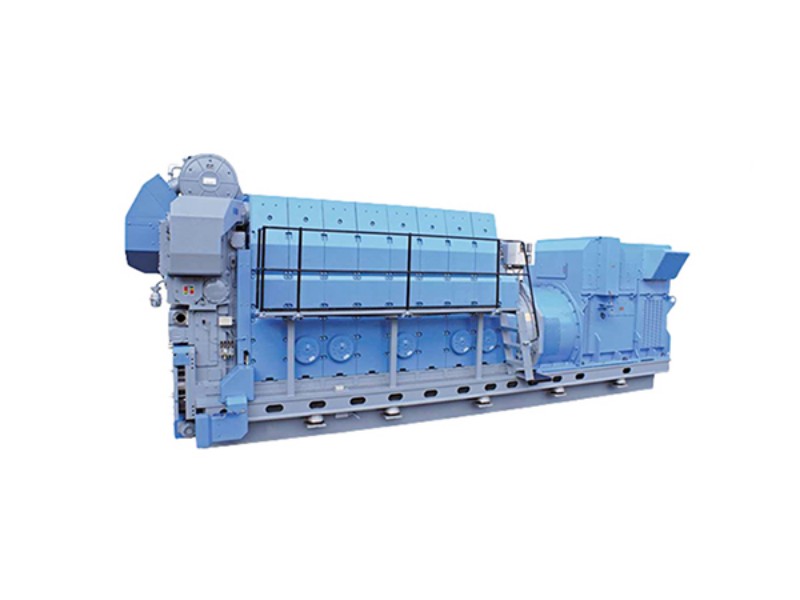
Some manufacturers design generator systems specifically for operation in mountainous or plateau regions. A typical example is the 16V280G high-altitude gas generator set developed by Jiangsu Kelinyuan Clean Energy Technology Co., Ltd., which is engineered for installations between approximately 1,000 and 3,000 meters above sea level. Instead of relying solely on standard engine configurations, the unit integrates multiple technologies aimed at maintaining combustion stability and power reliability in thin-air environments.
One of the key features is an optimized air–fuel ratio matching system that adjusts the intake and fuel mixing process according to changes in air density. By regulating the fuel–air mixture in real time, the system ensures that combustion remains efficient even when atmospheric pressure decreases at higher elevations.
The engine also incorporates advanced combustion technologies, including in-cylinder mixed direct injection and pre-combustion chamber ignition. These systems improve ignition stability and flame propagation under low-pressure conditions, allowing the generator to maintain consistent power output.
In addition, the generator uses a reinforced engine structure built with durable materials designed to withstand harsh environmental conditions. This structural design improves reliability when the equipment is exposed to large temperature fluctuations, pressure changes, and continuous operation typical of high-altitude industrial projects.
Proper Generator Selection and Power Planning for High Altitude
Understanding Derating and Power Reserve Requirements
When designing power systems for mountainous or plateau regions, engineers must account for altitude derating, which refers to the reduction in generator output caused by thinner air. Since internal combustion engines rely on oxygen for efficient fuel burning, reduced air density directly limits the amount of energy that can be produced. To maintain stable performance, generator sizing calculations typically include a correction factor based on elevation.
A commonly used rule estimates that engine power drops about 3–4% for every 1,000 feet (305 meters) above sea level. This means that the higher the installation site, the larger the generator must be to meet the same load demand. Instead of selecting equipment based solely on nominal capacity, engineers often add a safety margin to ensure the system can operate without overload.
Elevation | Typical Power Loss | Recommended Capacity Margin |
5,000 ft (≈1,524 m) | 15–20% | Select ~20% larger generator |
8,000 ft (≈2,438 m) | 24–32% | Increase capacity by ~30–35% |
10,000 ft (≈3,048 m) | 30–40% | Increase capacity by ~40% or more |
This planning approach ensures that the generator can continue supplying stable electricity even when environmental conditions reduce engine efficiency.
Choosing the Right Type of Gas Generator Sets
Selecting the appropriate generator type becomes particularly important in high-altitude environments. Different engine designs respond differently to reduced air density, and the best solution often depends on project requirements such as load stability, fuel availability, and operating altitude.
Several generator technologies are commonly used in elevated regions:
● EFI gas generator sets Electronic fuel injection systems automatically adjust fuel supply according to atmospheric pressure and temperature, helping maintain efficient combustion even when air density fluctuates. These systems are well suited for sites where generators operate across varying elevations.
● Diesel generators with higher compression ratios Diesel engines typically perform better at altitude because their higher compression ratios improve ignition under lower oxygen conditions. They are often chosen for continuous industrial applications or remote facilities requiring reliable base-load power.
● Inverter generators for sensitive loads Inverter technology provides stable, clean electricity with minimal voltage fluctuation, making it suitable for electronic equipment. These generators are often used in smaller-scale applications such as research stations or remote communications facilities.
Ultimately, the most suitable generator configuration depends on power demand, operational environment, and available fuel resources, all of which influence system reliability in high-altitude installations.
Supporting System Upgrades for Reliable High-Altitude Generator Operation
Advanced Cooling Systems for Thin-Air Environments
Cooling performance becomes a critical concern when gas generator sets operate at high altitude. Because air density decreases as elevation rises, the surrounding air carries away less heat from engine surfaces and radiators. Even in relatively cool mountain climates, engines can experience higher operating temperatures simply because the thin air cannot remove heat efficiently. For generators running continuously under heavy load, this reduced heat dissipation can increase the risk of overheating and shorten component lifespan.
To address this issue, high-altitude generator systems are often equipped with enhanced cooling configurations. These may include larger radiator surfaces that increase heat exchange area, improved airflow channel design around the engine, or more powerful cooling fans that maintain sufficient air circulation. In some industrial installations, dual-circuit cooling systems are used to separate engine cooling from auxiliary systems, allowing more precise thermal management.
Optimizing airflow paths within the generator enclosure is equally important. Proper ventilation ensures that hot air is effectively expelled and fresh air continuously enters the cooling system. These improvements help maintain stable engine temperatures during prolonged operation, which is especially important for generators supporting critical infrastructure or remote industrial facilities.
Cold-Start and Low-Temperature Adaptation
High-altitude regions often combine thin air with low temperatures, creating additional challenges when starting generator engines. Cold air reduces fuel vaporization efficiency, making ignition more difficult, while low atmospheric pressure further weakens the combustion process. At the same time, batteries tend to lose capacity in cold environments, reducing the available starting power.
To ensure reliable startup in these conditions, many high-altitude generator sets integrate specialized starting assistance systems. One widely used solution is the compressed air starting system, which provides strong and consistent starting torque independent of battery performance. This method is particularly common in large industrial generators operating in remote highland installations.
Additional technologies are often combined with air starting to improve cold-weather reliability. Intake air heaters help warm incoming air before it enters the cylinders, improving fuel ignition under low-temperature conditions. High-capacity batteries designed for cold climates can also provide more stable electrical starting performance. Together, these systems ensure that generator sets can start quickly and reliably even in harsh mountainous environments where temperatures drop significantly overnight.
Emission Control and Environmental Compliance
Incomplete combustion becomes more likely at higher elevations because reduced oxygen availability affects the burning process. When fuel does not burn completely, emissions such as nitrogen oxides (NOx), hydrocarbons, and carbon monoxide can increase. In many regions, industrial projects located in mountainous areas must still comply with strict environmental regulations, making emission control an important consideration in generator design.
Modern gas generator sets address this challenge through a combination of combustion optimization and exhaust treatment technologies. Advanced fuel injection systems and refined ignition control help ensure that fuel burns more efficiently even when air pressure is lower. These improvements reduce the formation of unburned fuel particles and harmful gases.
In addition to combustion improvements, some high-performance generator systems incorporate flue gas denitrification systems that remove nitrogen oxides from exhaust gases. By integrating catalytic reaction technology with optimized engine combustion, these systems allow generator installations to maintain lower emission levels while operating efficiently in high-altitude environments.
Fuel Flexibility for High-Altitude Projects
Fuel availability can vary significantly in remote mountain regions, which makes fuel flexibility an important advantage for high-altitude power systems. Transporting traditional fuels over long distances may be costly or logistically difficult, especially for isolated industrial sites or infrastructure projects. As a result, many gas generator sets are designed to operate with multiple types of gaseous fuels.
Natural gas is the most common fuel used in gas-powered generators due to its clean combustion characteristics and stable energy output. However, in certain regions other fuel sources may be more readily available. For example, biogas produced from agricultural or waste treatment processes can be used as a renewable energy source, while oil-field associated gas can provide an efficient way to convert otherwise flared gas into electricity.
Flexible fuel compatibility allows generator systems to adapt to different project environments while maintaining reliable energy production. This adaptability is particularly valuable for high-altitude industrial facilities, remote mining operations, and energy projects that combine multiple power sources within hybrid energy systems.
Conclusion
High-altitude operation creates challenges for gas generator sets, including lower oxygen levels, power loss, and cooling limits. Reliable performance depends on proper sizing, advanced combustion control, and improved auxiliary systems. Jiangsu Kelinyuan Clean Energy Technology Co., Ltd. provides high-altitude gas generator sets designed for efficiency, durability, and stable power in demanding mountain environments.
FAQ
Q: How does altitude affect Gas Generator Sets?
A: Gas Generator Sets lose about 3–4% power per 1,000 ft due to lower oxygen, reducing combustion efficiency.
Q: What configurations help Gas Generator Sets operate efficiently at high altitude?
A: Gas Generator Sets use fuel calibration, turbocharging, improved cooling systems, and optimized air–fuel control.
Q: Should Gas Generator Sets be oversized for high-altitude installations?
A: Yes. Gas Generator Sets typically require additional capacity to compensate for altitude derating.
Q: What type of generator performs best at high altitude?
A: EFI-equipped Gas Generator Sets or turbocharged engines maintain better combustion under low air density.