Introduction
How long can power equipment really last in harsh oil field conditions? Many production sites rely on Gas Generator Sets to supply stable electricity for drilling, pumping, and other critical operations. Yet their lifespan depends on operating hours, maintenance, and working environments. In this article, you will learn how long oil field generators typically last and what factors help extend their service life.
Typical Service Life of Oil Field Gas Generator Sets
Operating Hours vs Calendar Years
In oil field operations, the service life of Gas Generator Sets is usually evaluated in terms of operating hours rather than calendar years. This approach reflects how these systems are actually used. Many oil field generators run continuously as prime power sources, supporting pumps, compressors, and drilling equipment in remote locations where grid power is unavailable. Because the engines accumulate running hours quickly, time-based measurements alone do not accurately represent equipment wear.
Under normal industrial conditions, high-quality gas-powered generator sets can operate approximately 10,000 to 30,000 hours before requiring a major overhaul. The exact figure varies depending on load levels, fuel quality, and how closely operators follow maintenance schedules. Units that consistently run within their recommended load range tend to achieve the higher end of this range.
In contrast, generators installed for standby or intermittent use accumulate far fewer operating hours each year. Even though the engine may last for decades, the total runtime remains relatively low. In such cases, the same generator set may remain in service for 20 to 30 years, particularly when it is periodically tested and properly maintained.
Usage Type | Typical Runtime Accumulation | Expected Service Perspective |
Prime Power Operation | Continuous daily operation | Lifespan measured mainly in operating hours |
Standby / Backup Power | Occasional operation | Lifespan often measured in years (20–30 years) |
Major Overhaul and Life Extension
Unlike smaller portable generators that are often replaced once major components wear out, industrial Gas Generator Sets are designed with rebuildability in mind. The engines used in oil field power systems are typically heavy-duty internal combustion units built to handle long operating cycles and multiple maintenance stages throughout their lifetime.
A major overhaul generally involves replacing or refurbishing internal components that experience the most mechanical stress during operation. These components often include piston rings, connecting rod bearings, cylinder heads, and valve assemblies. By restoring compression, combustion efficiency, and lubrication performance, the overhaul effectively resets much of the engine’s mechanical wear.
When these rebuild procedures are performed at the appropriate intervals and combined with consistent preventive maintenance, the total operational lifespan of the generator can increase substantially. In some industrial applications, heavy-duty gas engines have accumulated well over 60,000 operating hours through several rebuild cycles.
For oil field operators, this rebuildable design provides an important economic advantage. Instead of replacing the entire generator system, companies can extend the useful life of the equipment through scheduled overhauls while maintaining reliable power output for critical production activities.
Design Life of Modern Oil Field Generator Systems
Modern industrial generator manufacturers increasingly design Gas Generator Sets specifically for demanding environments such as oil and gas production sites. These locations often involve continuous operation, variable gas quality, and harsh environmental conditions, which require equipment with robust structural design and long maintenance intervals.
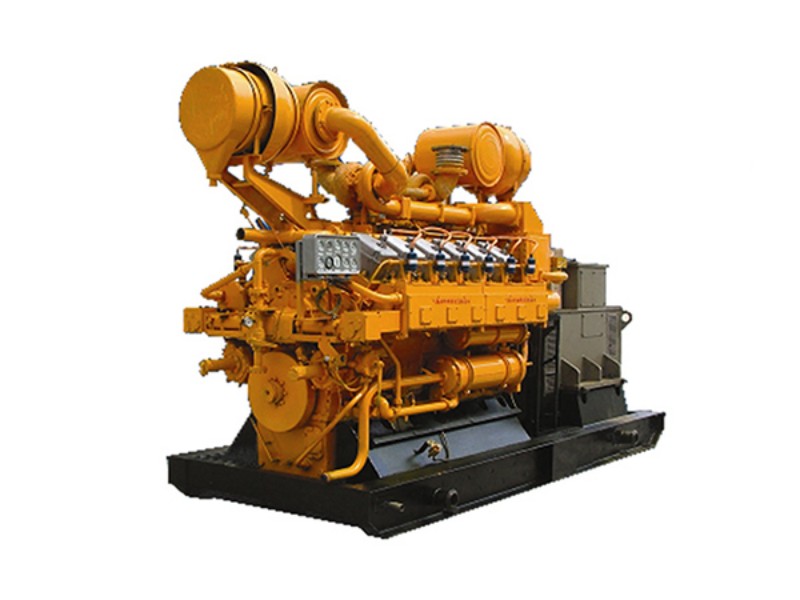
For example, the 12V190G series Gas Generator Sets are developed for high-intensity industrial power applications, including oil field production facilities. These systems are engineered with a design life of approximately 20 years, assuming proper maintenance and operation. In addition, the recommended major overhaul interval is around 20,000 operating hours, allowing operators to plan maintenance cycles in advance and minimize unexpected downtime.
This type of design reflects the growing focus on durability and operational stability in oil field energy systems. Key design considerations often include reinforced engine structures, advanced ignition and control technologies, and efficient cooling systems that allow the generator to perform reliably under long-term continuous loads.
For oil field projects that rely on stable on-site power, these engineering improvements help ensure that modern Gas Generator Sets can support production activities for many years while maintaining predictable maintenance schedules and operational efficiency.

Key Factors That Affect the Lifespan of Gas Generator Sets in Oil Fields
Fuel Quality and Associated Gas Composition
In many oil fields, Gas Generator Sets run on wellhead-associated gas rather than pipeline-grade natural gas. While this approach improves energy efficiency by utilizing on-site fuel resources, the gas composition can vary widely. Associated gas may contain moisture, heavier hydrocarbons, sulfur compounds, or other impurities depending on the characteristics of the reservoir and separation process.
These contaminants can directly influence the long-term performance of generator engines. Moisture and corrosive elements such as hydrogen sulfide may cause internal corrosion in combustion chambers or exhaust systems. At the same time, heavy hydrocarbons can affect combustion stability, potentially leaving deposits on valves or spark plugs.
To maintain stable operation, many oil field power systems incorporate gas pretreatment equipment such as filtration units, dehydration systems, or pressure regulators. Proper fuel conditioning helps ensure cleaner combustion and reduces premature wear on critical engine components. In practice, the quality and consistency of the fuel supply often determine how smoothly the generator operates over long periods of continuous use.
Load Management and Generator Utilization
The way a generator is loaded during operation plays a major role in determining how quickly its internal components wear. For most industrial Gas Generator Sets, the optimal operating range typically falls between 60% and 80% of the rated load. Within this range, the engine runs efficiently while maintaining stable combustion and balanced mechanical stress.
Operating far below the recommended load for extended periods can create problems of its own. Light loading may lead to incomplete combustion, carbon buildup, or fouling of exhaust components. On the other hand, running a generator continuously near or beyond its maximum capacity can increase thermal stress and accelerate fatigue in rotating parts.
A balanced operating strategy helps extend generator life. Oil field operators often monitor load levels through control systems and adjust power distribution accordingly. Proper generator sizing during the project design phase is also essential, since a generator that consistently runs either underloaded or overloaded will generally experience reduced service life.
Environmental Conditions in Oil Field Sites
Unlike generators installed in controlled industrial facilities, oil field power systems often operate in challenging environments. Remote production sites may expose equipment to extreme heat, desert sandstorms, high humidity, or freezing temperatures depending on the region.
Environmental stress can influence both mechanical components and electrical systems. Dust particles may clog air filters and reduce cooling efficiency, while humidity or corrosive gases can gradually degrade metal parts and electrical insulation. In coastal or offshore locations, salt-laden air may accelerate corrosion if equipment is not properly protected.
To maintain reliability under these conditions, oil field generator installations typically include protective enclosures, advanced filtration systems, and reinforced cooling arrangements. Routine inspection of ventilation systems and filters becomes especially important in environments where airborne particles or moisture levels fluctuate significantly.
Equipment Quality and Engineering Design
The structural design of a generator system ultimately determines how well it can withstand long-term industrial use. High-quality Gas Generator Sets designed for oil field applications typically incorporate reinforced engine blocks, durable frames, and cooling systems capable of maintaining stable temperatures during continuous operation.
Engineering details such as ignition control systems, vibration resistance, and material selection all contribute to durability. For instance, the 12V190G Gas Generator Set adopts a reinforced structural frame and corrosion-resistant components that help it tolerate demanding field environments. Its water-cooled configuration improves thermal stability and allows the engine to maintain consistent operating conditions even during prolonged workloads.
These generators are also engineered to operate within a wide temperature range, approximately −10°C to 45°C, enabling reliable performance in both cold regions and high-temperature desert oil fields. By combining structural strength, effective cooling, and environmental protection, modern industrial generator designs are able to support long-term power generation in challenging oil production environments.
Maintenance Strategies to Maximize Gas Generator Set Service Life
Routine Maintenance and Inspection Intervals
In oil field operations, generator reliability often depends less on the equipment itself and more on how consistently it is maintained. Gas Generator Sets typically operate for long periods without shutdown, so preventive maintenance becomes essential to avoid gradual performance degradation or unexpected failures.
Routine servicing usually focuses on lubrication, filtration, and ignition system checks. Engine oil and filters should be replaced at regular intervals to maintain proper lubrication and remove contaminants that accumulate during combustion. Spark plugs and air filters also require periodic inspection because they directly influence ignition stability and air–fuel mixture efficiency.
For many industrial gas generators, a practical maintenance cycle falls within 1,500 to 3,000 operating hours, depending on engine design and working conditions. Tracking runtime hours through the control system and maintaining a detailed service log allows operators to detect abnormal wear patterns before they develop into larger mechanical problems.
Typical routine service items include:
● Engine oil and oil filter replacement
● Inspection or replacement of spark plugs
● Cleaning or changing air filters
● Checking cooling systems and fluid levels
● Reviewing system alarms and operating data
Consistent scheduling of these tasks keeps the generator operating efficiently and reduces the likelihood of unscheduled downtime in remote oil field environments.
Mid-Life Service and Component Replacement
Even with careful routine maintenance, certain internal components naturally experience wear after extended operation. For heavy-duty Gas Generator Sets, this stage typically occurs after tens of thousands of operating hours, when key engine parts begin approaching their design limits.
At approximately 30,000 hours of accumulated runtime, operators often perform more extensive inspections to evaluate the condition of core mechanical elements. Components such as pistons, connecting rods, bearings, and cylinder heads may require adjustment, refurbishment, or replacement depending on their wear levels. These procedures are commonly referred to as mid-life servicing or top-end overhaul.
Such scheduled interventions allow maintenance teams to address internal wear gradually rather than waiting for performance problems to appear. By replacing high-stress components before failure occurs, operators can maintain stable engine compression, proper combustion efficiency, and balanced mechanical loads.
This planned maintenance strategy is particularly valuable in oil field settings where equipment failures can interrupt drilling or production activities. Performing structured mid-life servicing helps extend the generator’s overall service life while maintaining reliable power supply for critical operations.
Remote Monitoring and Operational Control
Advances in control technology have significantly changed how industrial generator systems are managed in remote oil field locations. Modern Gas Generator Sets increasingly integrate digital monitoring platforms that allow operators to observe equipment performance without remaining physically near the machine.
Through remote monitoring systems, operators can track parameters such as engine temperature, oil pressure, fuel supply conditions, and electrical output in real time. Control panels or networked monitoring software can immediately signal alarms when values move outside safe operating ranges, enabling maintenance teams to respond quickly.
Many modern generators also support remote electric control, allowing adjustments to be made from a central control room or monitoring center. This capability is particularly valuable in oil field environments where generators may be installed near wellheads, pipelines, or other hazardous areas.
By combining automated monitoring with remote control functions, operators gain better visibility into system performance and can react to potential issues early. Over time, this proactive management approach contributes to longer equipment life and more stable power generation in demanding field conditions.

Advanced Generator Design That Extends Oil Field Equipment Lifespan
High-Efficiency Engine and Combustion Technology
Continuous oil field operations demand generators that can run efficiently for long periods without excessive mechanical stress. Modern Gas Generator Sets address this challenge through improved combustion systems and optimized engine structures. By precisely controlling the air–fuel mixture and ignition timing, advanced engines can achieve more complete combustion while reducing internal deposits and thermal strain.
Higher efficiency not only improves energy utilization but also contributes to longer equipment life. When an engine converts more of the fuel’s energy into electricity, less heat and mechanical stress accumulate in the internal components. In practical terms, this means fewer deposits in combustion chambers, smoother operation, and lower wear on pistons and valves.
Many industrial generator models now reach around 40–41% power generation efficiency, which is significantly higher than traditional gas engines used in earlier power systems. Improved combustion design also stabilizes output during long operating cycles, allowing generators to maintain steady performance even under fluctuating load conditions typical of oil production sites.
![]()
Fuel Flexibility for Oil Field Applications
Oil and gas production facilities often generate several types of combustible gases as by-products of extraction and processing. Instead of flaring or wasting these resources, many operators use Gas Generator Sets that can run on multiple gas sources to produce on-site electricity.
Modern generator systems are engineered to accommodate fuels such as natural gas, biogas, and oil field associated gas. This flexibility allows operators to convert available gas streams into usable energy without relying entirely on external fuel supplies. The ability to adapt to different gas compositions is particularly valuable in remote fields where fuel logistics can be complex.
Fuel flexibility also helps stabilize operating costs. By utilizing locally available gas rather than transporting fuel from distant locations, oil field operators can reduce both energy expenses and emissions associated with flaring. As gas treatment and control technologies improve, multi-fuel generator systems are becoming an increasingly practical solution for field power generation.
Structural Durability and Environmental Adaptability
Oil field equipment is frequently exposed to demanding environmental conditions, including extreme temperatures, dust, humidity, and corrosive gases. To maintain long service life under these circumstances, industrial Gas Generator Sets are built with durable structural components and protective design features.
Reinforced frames help stabilize the generator during continuous operation and reduce vibration-related wear. High-grade electrical insulation protects internal windings from moisture and temperature fluctuations, while protective enclosures shield critical systems from dust and debris. Cooling systems are also carefully engineered to manage heat during long running cycles.
Many modern generator configurations incorporate technologies such as brushless alternators, digital voltage regulation, and sealed protection systems. These features support stable electrical output and minimize maintenance requirements, particularly in remote locations where environmental stress could otherwise shorten equipment lifespan.
Customized Solutions for Oil Field Power Systems
No two oil fields operate under identical conditions. Differences in gas composition, production scale, and site infrastructure mean that power generation systems often require customized configurations rather than standardized equipment.
To address this variability, manufacturers offer Gas Generator Sets across a wide range of power capacities and technical configurations. Systems designed for oil field applications may range from approximately 300 kW to several megawatts, allowing operators to match generator output with the power demand of drilling equipment, pumping systems, or processing facilities.
Customization can also include adjustments to fuel supply systems, cooling methods, control platforms, and environmental protection measures. By aligning generator specifications with the specific conditions of a production site, operators can improve both operational efficiency and equipment durability while ensuring that the power system supports long-term oil field production activities.
Conclusion
Oil field Gas Generator Sets are built for harsh environments and continuous power demand. With proper maintenance, many units run 10,000–30,000 hours and serve for 20–30 years. Fuel quality, load control, and environment all affect lifespan. Jiangsu Kelinyuan Clean Energy Technology Co., Ltd. provides efficient, durable gas generator solutions that support reliable oil field power and long-term operational value.
FAQ
Q: How long do oil field Gas Generator Sets typically last?
A: Most Gas Generator Sets run 10,000–30,000 hours before overhaul, depending on load, maintenance, and fuel quality.
Q: What factors shorten the lifespan of Gas Generator Sets?
A: Poor fuel quality, improper loading, harsh environments, and weak maintenance can significantly reduce Gas Generator Sets service life.
Q: How often should Gas Generator Sets be serviced?
A: Routine maintenance for Gas Generator Sets usually occurs every 1,500–3,000 operating hours.
Q: Can Gas Generator Sets operate on oil field associated gas?
A: Yes, many Gas Generator Sets are designed to run on associated gas after basic filtration and pressure control.