Power failures can stop an entire mining operation within minutes. Many mines operate far from public power grids and must generate electricity on site. Gas Generator Sets are becoming a reliable solution for these remote environments. In this article, you will learn how to choose the right system by evaluating power demand, fuel options, site conditions, and generator performance.
Understanding the Power Challenges of Remote Mining Sites
Off-Grid Operations Require Independent Power Systems
Many mining projects are developed in geographically isolated areas where extending national grid infrastructure is either technically impractical or economically unfeasible. Remote deserts, mountainous regions, and frontier exploration zones often lack stable electricity access, meaning mining operators must generate all required power directly on site. In these circumstances, the reliability of the power generation system becomes central to operational continuity.
Gas generator sets are widely used in such off-grid environments because they can operate as prime power sources, supplying electricity continuously rather than serving only as backup systems. Unlike temporary or small portable units, industrial gas generators are designed for long-term operation with stable voltage and frequency output. This stability is essential for modern mining equipment that relies on electronic control systems.
Another advantage is deployment flexibility. Generator systems can be installed near extraction zones, processing plants, or worker camps and scaled as the mining project expands. With proper configuration, multiple gas generator sets can operate together, ensuring that electricity remains available even if one unit requires maintenance. This redundancy helps remote mining sites maintain productivity without relying on external energy infrastructure.
High Energy Demand from Mining Equipment
Mining operations require significant and consistent electrical power because almost every stage of extraction and processing relies on heavy machinery. Drilling rigs, crushers, conveyors, and ore processing systems consume large amounts of electricity, often running continuously throughout production shifts. Even short interruptions can halt the entire operation, leading to productivity losses and costly downtime.
In addition to core extraction equipment, many supporting systems contribute to the overall energy demand. Underground mines require constant ventilation to maintain safe working conditions, while surface operations often rely on pumps to remove groundwater. Worker accommodation areas, communication networks, and lighting systems further increase the total power load.
Typical energy consumers at a mining site include:
● Drilling rigs and rock crushers
● Conveyor belts and material handling systems
● Ventilation fans for underground mines
● Water pumping and dewatering equipment
● Lighting, communications, and site facilities
Because these systems often start and stop at different times, the electrical load can fluctuate throughout the day. As a result, power generation systems must deliver both high continuous output and sufficient reserve capacity to handle temporary spikes in demand without compromising operational stability.
Harsh Environmental Conditions Affect Generator Performance
Power equipment used in mining must operate reliably under environmental conditions that are far more demanding than those found in typical industrial settings. Remote mining sites may experience extreme heat during the day and freezing temperatures at night, especially in desert or high-altitude regions. These temperature variations place additional stress on engines, cooling systems, and electrical components.
Dust and airborne particles are another persistent challenge. Mining activities such as blasting, crushing, and transporting ore generate large amounts of dust, which can accumulate in ventilation systems and electrical enclosures. Without proper protection, dust intrusion can reduce cooling efficiency and accelerate equipment wear.
Environmental factors that influence generator performance include:
Environmental Factor | Operational Impact |
High temperature | Increased cooling demand and reduced engine efficiency |
Low temperature | Difficult cold starts and slower lubrication circulation |
Dust and particulates | Risk of clogging filters and cooling passages |
High altitude | Reduced oxygen levels affecting combustion efficiency |
To remain reliable in these conditions, mining-grade gas generator sets are typically equipped with reinforced enclosures, advanced cooling systems, and durable filtration mechanisms. These design features help maintain stable performance even when equipment is exposed to harsh environmental stresses for extended periods.
Calculating the Required Capacity of Gas Generator Sets
Conduct a Complete Load Assessment
Before selecting gas generator sets for a mining project, engineers must first develop a detailed understanding of the site's electricity demand. This process begins with identifying every device and system that will consume power, from heavy extraction equipment to support infrastructure such as lighting and communication systems.
A typical load assessment involves compiling a comprehensive equipment list and determining the power requirements of each component. The goal is to calculate the total connected load, which represents the combined electrical demand when all equipment operates simultaneously.
Common electrical loads at mining sites include:
Mining Equipment | Typical Power Range | Role in Mining Operations |
Crushers | 100–500 kW | Break down raw ore into smaller particles |
Conveyor Systems | 20–200 kW | Transport materials across mining sites |
Ventilation Fans | 30–150 kW | Maintain air circulation in underground mines |
Water Pumps | 20–120 kW | Remove groundwater and manage drainage |
Lighting Systems | 5–30 kW | Provide visibility for night operations |
Mining operations often experience varying energy consumption depending on the production phase, shift schedules, and equipment usage patterns. Because of this variability, engineers usually analyze both average operating load and peak demand. A well-executed load assessment helps prevent under-sized generators that cannot meet production needs or oversized units that waste fuel and increase operating costs.
Consider Starting Power and Surge Loads
Many machines used in mining operations rely on large electric motors. While these motors require a certain level of power to operate continuously, they demand significantly higher electricity during startup. This temporary increase, known as surge or starting power, can place considerable stress on the generator if it is not properly sized.
For example, motors driving crushers, pumps, or conveyor belts may require two to six times their normal operating power for a short period when they begin running. If a generator cannot supply this surge capacity, the voltage may drop suddenly, potentially shutting down equipment or triggering protection systems.
To address this challenge, engineers typically evaluate both running power and starting power when designing the generator system. Generator sets must be capable of absorbing these short-term load spikes while maintaining stable frequency and voltage. In many cases, operators stagger equipment startup times or install multiple generator units operating in parallel to distribute the surge load more effectively.
Maintain an Optimal Generator Load Ratio
Selecting the correct generator capacity is not only about meeting peak demand; it also involves ensuring that the generator operates within an efficient load range during normal operation. Gas generator sets generally perform best when running at approximately 70–80 percent of their rated capacity.
Operating a generator significantly below this level for extended periods can lead to incomplete fuel combustion and the accumulation of carbon deposits within the engine. Over time, this condition may reduce efficiency and increase maintenance requirements. On the other hand, running a generator near or above its maximum capacity for long durations can accelerate component wear and increase the risk of mechanical failure.
Maintaining an optimal load ratio therefore balances efficiency, reliability, and equipment longevity. In mining environments where electricity demand may grow over time, operators often install multiple generator sets rather than relying on a single large unit. This approach allows them to adjust the number of active generators based on real-time power requirements while keeping each unit operating within its most efficient range.
Selecting the Right Fuel Source for Gas Generator Sets
Natural Gas for Long-Term Mining Projects
When a mining project is expected to operate for many years, the choice of fuel becomes a strategic decision rather than just a technical one. Natural gas is often the preferred option when pipeline infrastructure exists nearby or when the site is located close to gas-producing regions. In such cases, the ability to access a stable and continuous fuel supply significantly reduces logistical challenges associated with transporting liquid fuels to remote areas.
From an operational perspective, natural gas offers a combination of economic and environmental benefits. The fuel typically produces fewer particulate emissions and burns more cleanly than diesel, which helps mining companies meet increasingly strict environmental regulations. In regions where gas supply networks are well developed, operating costs may also be lower because pipeline delivery eliminates long-distance fuel transportation.
For large-scale mines that operate continuously over many years, natural gas generator sets are particularly attractive. The consistent fuel supply supports uninterrupted operation of heavy equipment, while the cleaner combustion process can reduce engine wear and maintenance frequency. This makes natural gas a practical solution for long-term mining projects that require stable, high-output power generation.

LPG or Propane for Isolated Mining Sites
Not every mining location has access to pipeline gas infrastructure. Exploration sites and temporary operations are often established in regions where energy must be delivered by road or other forms of transport. In these cases, LPG or propane becomes a practical fuel option for gas generator sets.
One reason propane is widely used in remote power systems is its storage convenience. Unlike some liquid fuels that degrade over time, propane remains stable for long periods when stored properly. This characteristic allows mining operators to maintain reliable fuel reserves even if delivery schedules are irregular due to weather or transportation constraints.
Another advantage is the relatively clean combustion of propane compared with gasoline-based fuels. This helps reduce exhaust pollutants and improves overall engine efficiency. Because propane can be stored in pressurized tanks and transported in bulk, it is often used for smaller mining projects, exploration camps, or temporary facilities where building permanent fuel infrastructure is not feasible.
Operators may choose LPG-powered generator sets when fuel flexibility and ease of transport are more important than continuous pipeline supply.
Multi-Fuel Generator Systems for Energy Flexibility
Fuel logistics in remote mining regions can change unexpectedly due to supply interruptions, infrastructure limitations, or shifting operational priorities. To manage these uncertainties, some mining operators adopt gas generator systems capable of running on more than one type of fuel.
Dual-fuel or tri-fuel configurations allow generators to operate using combinations of natural gas, propane, or other compatible gases. This design provides operational flexibility, enabling the system to continue producing electricity even if one fuel source becomes temporarily unavailable. In practice, a mine may primarily rely on pipeline natural gas but maintain propane storage as a backup supply.
Multi-fuel capability is particularly valuable in remote environments where fuel transportation routes may be affected by seasonal conditions or regulatory restrictions. By allowing operators to switch fuels based on availability or cost, these systems enhance the overall resilience of the power supply. The result is a more adaptable energy strategy that helps ensure mining operations remain stable despite fluctuations in fuel logistics.
Key Technical Features to Look for in Mining Gas Generator Sets
Durability and Environmental Adaptability
Mining equipment is routinely exposed to environments that are far harsher than typical industrial facilities. Generator systems must therefore be designed to withstand constant vibration, airborne dust, temperature fluctuations, and occasionally corrosive conditions caused by humidity or chemical exposure.
Structural durability is one of the most important characteristics of mining-grade gas generator sets. Reinforced frames and protective enclosures help shield internal components from mechanical stress and environmental contamination. In addition, high protection ratings—often expressed as IP classifications—indicate how effectively the generator enclosure prevents dust or moisture from entering sensitive electrical parts.
Cooling capability is another key factor. Mining sites located in hot climates place significant thermal stress on engines and alternators. Advanced radiator systems and efficient airflow management help maintain stable operating temperatures even when generators run continuously for long periods. Corrosion-resistant coatings are also frequently applied to extend the lifespan of components operating in humid or chemically active environments.
Together, these design elements enable gas generator sets to maintain reliable performance despite the demanding conditions commonly encountered in remote mining areas.
Intelligent Monitoring and Low-Maintenance Design
Because remote mines are often located far from urban service centers, it is not always practical to maintain a large team of technical specialists on site. For this reason, modern gas generator sets increasingly incorporate digital monitoring and automated control technologies that simplify operation and maintenance.
Integrated control systems allow operators to monitor critical parameters such as engine temperature, fuel consumption, and electrical output in real time. These systems can transmit data through remote communication networks, enabling engineers to observe equipment performance from a central control room or even from off-site locations.
Automation features also improve operational reliability. Automatic start and shutdown functions allow generators to respond quickly to changes in power demand or emergency conditions. At the same time, built-in diagnostic tools can detect abnormal operating patterns and alert technicians before a minor issue develops into a major failure.
By combining remote monitoring with predictive maintenance capabilities, intelligent generator systems reduce the need for constant manual supervision while helping mining operations avoid costly downtime.
Modular Generator Configurations for Power Flexibility
In many large mining projects, relying on a single massive generator is not the most efficient or reliable solution. Instead, operators often install several medium-sized gas generator sets and connect them through a parallel control system. This configuration allows multiple units to operate together while distributing the total electrical load across the system.
One advantage of this modular approach is redundancy. If one generator requires maintenance or experiences a fault, the remaining units can continue supplying electricity, preventing a complete shutdown of the mining operation. Maintenance tasks can therefore be performed without interrupting critical production processes.
Another benefit is scalability. As mining operations expand or production capacity increases, additional generator units can be added to the system without replacing the existing equipment. This allows power infrastructure to grow alongside the project itself.
Parallel generator configurations also enable operators to adjust the number of active units according to real-time demand. During periods of lower power consumption, some generators can be temporarily shut down to improve fuel efficiency while the remaining units operate within their optimal load range.
Gas Generator Set Solutions for Remote Mining Applications
Small and Medium Mining Sites – 100kW Natural Gas Generator Set

Smaller mining projects and exploration sites typically require compact power systems that are easy to transport and deploy. In these environments, generator units with moderate capacity can provide reliable electricity for drilling equipment, site lighting, and living facilities without occupying excessive space or requiring complex installation.
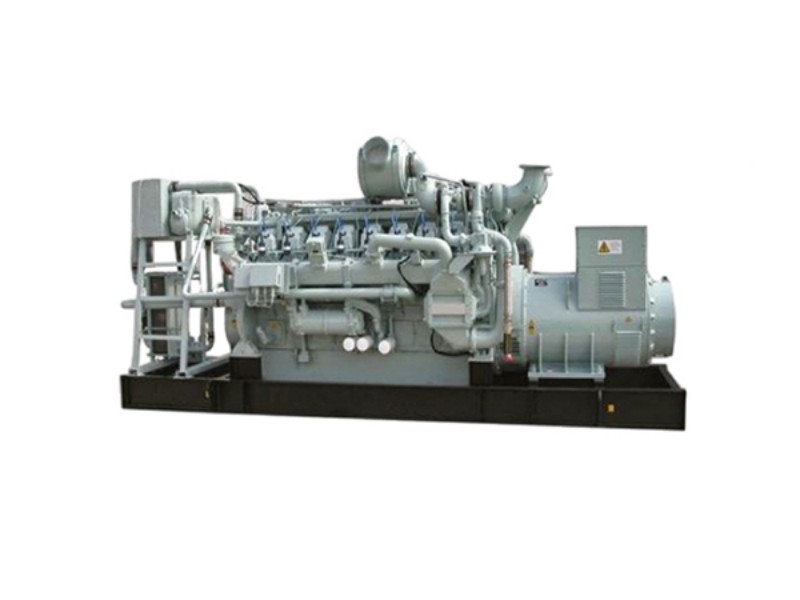
A typical example is a 100kW high-speed natural gas generator set operating at 1500 RPM, which offers a balance between performance and portability. Its compact structural design allows the system to be transported to remote locations where infrastructure may be limited. Once installed, the generator can deliver stable three-phase power suitable for a variety of mining equipment.
Such units are often equipped with integrated control systems that support remote monitoring and automated operation. Environmental adaptability is also important; generators designed for mining applications may operate reliably within temperature ranges from around −10°C to 40°C, and optional cold-start systems can support colder climates. Compliance with international emission standards further ensures that the equipment meets environmental requirements while maintaining efficient fuel consumption.
These characteristics make medium-capacity gas generator sets particularly suitable for early-stage mining projects or remote exploration camps.
Mining Site Scale | Recommended Generator Capacity | Typical Applications |
Exploration Sites | 50–150 kW | Drilling equipment, lighting, temporary camps |
Small Mining Sites | 150–500 kW | Pumps, conveyors, ventilation systems |
Medium Mining Sites | 500–1500 kW | Crushers, processing equipment |
Large Mining Operations | 1500–4000 kW | Full production lines and heavy machinery |
Medium and Large Mining Sites – 300kW to 4000kW Gas Generator Sets
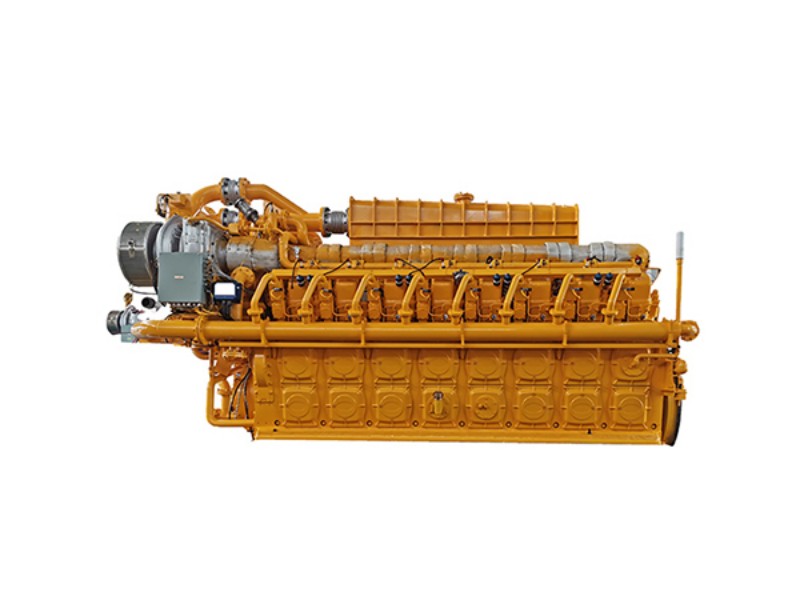
As mining operations scale up, their energy requirements increase dramatically. Large extraction and processing facilities require powerful generator systems capable of supporting continuous industrial workloads. For these environments, gas generator sets with capacities ranging from 300 kW to 4000 kW are commonly used.
High-capacity generator systems are typically designed for long-duration operation and stable electrical output. Many models operate at lower engine speeds, which reduces mechanical stress and helps extend service intervals. In industrial mining environments where equipment may run around the clock, such durability is essential.
Another advantage of large gas generator sets is their ability to utilize a wide variety of gaseous fuels. In addition to natural gas, some units can operate on coal bed methane, hydrogen-rich gases, or biogas. This fuel versatility allows mining operators to select energy sources that are locally available and economically viable.
High efficiency levels—often exceeding forty percent in advanced systems—help reduce fuel consumption while maintaining strong electrical output. Long overhaul intervals also minimize downtime, allowing these generators to support continuous mining operations for extended periods.
Utilizing On-Site Gas Resources to Reduce Energy Costs
Certain mining activities generate gases that would otherwise be released or flared during extraction processes. Examples include associated natural gas from mineral deposits, coal-bed methane released during coal mining, and industrial by-product gases produced during ore processing. Instead of treating these gases as waste, many mining operations are beginning to convert them into useful energy.
Gas generator sets capable of operating on these alternative fuel sources enable mining companies to turn local gas resources into electricity. By using gas that is already present on site, operators can reduce dependence on transported fuels and significantly lower energy costs.
This approach also contributes to improved environmental performance. Capturing and utilizing gas that would otherwise be vented into the atmosphere helps reduce greenhouse gas emissions while improving overall energy efficiency. For remote mining sites that possess usable gas resources, integrating such generator systems can create a more sustainable and cost-effective power strategy.
Conclusion
Choosing the right Gas Generator Sets for remote mining areas requires understanding power demand, fuel options, and site conditions. Proper sizing and durable design ensure stable power for demanding operations. Jiangsu Kelinyuan Clean Energy Technology Co., Ltd. provides efficient gas generator solutions with flexible fuel compatibility, reliable performance, and customized services that help mining projects reduce costs and maintain continuous production.
FAQ
Q: How do Gas Generator Sets support remote mining operations?
A: Gas Generator Sets provide continuous off-grid electricity, powering crushers, pumps, and ventilation systems in remote mining sites.
Q: What capacity Gas Generator Sets are typically used in mining?
A: Gas Generator Sets usually range from 100 kW to several MW, depending on equipment load and production scale.
Q: What fuels can Gas Generator Sets use in mining environments?
A: Gas Generator Sets can operate on natural gas, propane, coal-bed methane, or other available site gases.
Q: Why are Gas Generator Sets suitable for high-altitude mining areas?
A: Gas Generator Sets can be configured for altitude derating and cooling adjustments to maintain stable output.