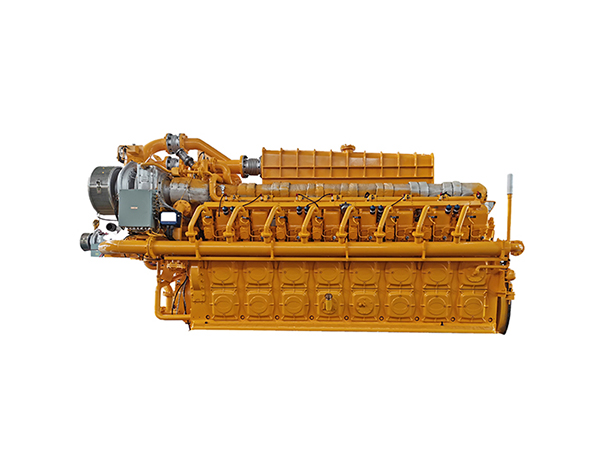
Operating biogas infrastructure in high-humidity environments accelerates component degradation. Coastal regions, tropical climates, and poorly ventilated enclosures push equipment past standard operating limits. Ambient moisture interacts with trace hydrogen sulfide (H2S) in raw biogas. This reaction forms highly corrosive sulfuric acid. Left unchecked, this acid compromises engine internals and degrades electrical insulation. It causes catastrophic unplanned downtime, threatening the viability of the waste gas power generation cycle. Standard maintenance schedules fail in high-moisture sites. Protecting this renewable energy solution requires a climate-adapted, rigorous maintenance protocol. You must implement strategic component sourcing to ensure continuous uptime and maximize asset lifespan.
Moisture is a Corrosion Multiplier: High humidity combined with raw biogas impurities accelerates wear on valves, cylinder heads, and exhaust systems.
Frequency Must Scale with Humidity: Daily and weekly inspection intervals for condensate traps, oil quality, and air intakes must be strictly enforced to prevent water ingress.
Gas Conditioning is Non-Negotiable: Effective maintenance of the generator begins upstream at the biogas chiller and dehumidification skids.
Supplier Selection: Partnering with a biogas generator set supplier that provides tropicalized alternators and anti-corrosive enclosures drastically reduces long-term maintenance burdens.
The Impact of High Humidity on a Biogas Power Generation System
Moisture and Hydrogen Sulfide (H2S): The Corrosion Multiplier
The fundamental challenge of operating a biogas power generation system in damp climates lies in the aggressive chemistry that occurs when water vapor meets hydrogen sulfide. Raw biogas naturally contains H2S, a byproduct of anaerobic digestion. When ambient humidity or suspended water droplets in the gas stream mix with H2S during combustion, they synthesize into sulfuric acid (H2SO4). This highly reactive acid attacks the metallurgy of the engine.
Highly vulnerable engine components include spark plug electrodes, cylinder liners, and exhaust manifolds. Spark plugs suffer from rapid electrode erosion. This alters the spark gap, weakens the ignition energy, and leads to engine misfires. Cylinder liners experience micro-pitting. This destroys the cross-hatch pattern necessary for oil retention and accelerates piston ring wear. Exhaust manifolds and turbocharger housings face acid condensation during engine shutdown sequences when temperatures drop below the acid dew point.
To mitigate these chemical attacks, you must establish a strict baseline requirement for upstream gas scrubbing and continuous dew point monitoring. Removing the moisture before it enters the combustion chamber is the most effective defense against acid formation.
Component
Humidity/H2S Impact
Field Symptom
Preventative Action
Spark Plugs
Electrode erosion from acid
Engine misfires, rough idle
Check gaps every 250 hours
Cylinder Liners
Micro-pitting and scoring
High oil consumption, blow-by
Maintain high jacket water temp
Exhaust Manifold
Acid pooling during shutdown
Rusting, exhaust leaks
Run post-lube and cool-down cycles
Turbocharger
Corrosion on compressor wheel
Loss of boost pressure
Inspect intake piping for moisture
Electrical System Vulnerabilities and Condensation
High-humidity environments introduce severe risks to the electrical infrastructure. Diurnal temperature swings cause significant condensation inside control panels, junction boxes, and alternator housings. During the day, warm ambient air holds a high volume of water vapor. As temperatures drop overnight, the air reaches its dew point. This deposits liquid water directly onto sensitive printed circuit boards (PCBs) and copper windings.
This persistent moisture leads to tracking. Water and airborne contaminants form a conductive path across the surface of electrical insulation. Over time, tracking degrades the dielectric strength of the insulation. This results in high-voltage short circuits and alternator failure.
Enclosures must carry a high Ingress Protection (IP) rating to seal out ambient moisture. You must install anti-condensation space heaters within the alternator and control cabinets. These heaters maintain the internal temperature slightly above the ambient dew point. They prevent water from condensing on electrical components during standby periods.
Lubrication Degradation in Humid Environments
Engine oil provides hydrodynamic lubrication, cooling, and chemical neutralization. In humid environments, water ingress into the crankcase is a persistent threat. Moisture contaminates the engine oil, reducing its lubricity and neutralizing its Total Base Number (TBN). The TBN measures the oil's alkaline reserve, formulated to neutralize the acidic byproducts of biogas combustion. When water depletes this reserve, the oil becomes acidic. This leads to internal sludge formation and bearing corrosion.
Visual indicators of moisture contamination are obvious. You will observe an oil emulsion, commonly referred to as "milky" or "frothy" oil, on the dipstick or inside the valve covers. This emulsion lacks the film strength required to protect crankshaft journals and camshaft lobes under high load.
Success criteria for oil analysis programs in high-humidity deployments rely on strict limits for water content. Keep water content below 0.1%. Proactively monitor TBN depletion rates. Frequent oil sampling ensures you change the lubricant before its protective properties fail.
Daily and Weekly Biogas Generator Set Maintenance Checklist
Executing a highly structured industrial generator set maintenance program is the primary defense against humidity-induced failures. The following protocols establish the necessary frequency and depth of inspections required for harsh climates.
Daily Visual and Operational Inspections
The reliability of the generator ties directly to the health of its auxiliary support systems. Operators must inspect upstream gas blowers, feed pumps, and digester mixers daily. Check for mechanical seal leaks and monitor bearing temperatures using infrared thermometers. This identifies early failures that disrupt the fuel supply.
High humidity means high condensate production. Operators must manually drain all water traps, gas line low-points, and scrubber vessels. Automatic drain valves frequently jam due to biological particulate matter and bacterial slime common in biogas pipelines. Manual verification is mandatory.
Record the gas temperature and pressure immediately downstream of the chiller. Ensure the dew point remains strictly below the manufacturer's specified threshold, typically around 5°C. Any upward drift in gas temperature indicates a loss of cooling efficiency. This allows saturated gas to reach the engine.
Monitor the engine block temperature across different cylinder banks. Utilize handheld vibration meters to check for abnormal vibration signatures on the alternator and engine block. These indicate early bearing wear or mounting isolator degradation.
Conduct a thorough walk-around to inspect coolant lines, oil seals, and gas train flanges. Look for weeping fluids or condensation pooling around intake manifolds. Address minor leaks before they escalate into major pressure losses.
Verify auxiliary equipment operation, including blowers and feed pumps.
Manually open and drain all condensate traps along the gas train.
Log gas temperature and pressure post-chiller to confirm dew point.
Measure engine block vibration and temperature across all cylinder banks.
Inspect all fluid lines, gaskets, and seals for weeping or leaks.
Weekly Fluid and Filtration Checks
Beyond checking the physical oil level, operators must perform a visual and olfactory check of the lubricant. Pull the dipstick and inspect for any moisture emulsion. Smell the oil. A sharp, highly acidic odor indicates that the H2S blow-by has overwhelmed the oil's TBN reserve. This requires an immediate oil change regardless of operating hours.
In tropical or coastal environments, high ambient moisture saturates paper-element air filters. Inspect the air filters weekly for dampness, mold, or fungal growth. Saturated or clogged filters severely restrict airflow. This alters the engine's air-to-fuel ratio, reduces power output, and increases exhaust gas temperatures.
Monitor the starting battery voltage to ensure the charging alternator functions correctly. High humidity accelerates galvanic corrosion on dissimilar metals. Verify battery terminal integrity. Clean any early signs of white, powdery corrosion with a wire brush and terminal cleaner. Check the electrolyte levels in flooded lead-acid batteries and top up with distilled water as needed.
Monthly and Quarterly Preventive Maintenance Protocols
Gas Handling and Dehumidification Systems
The biogas chiller acts as the primary defense against engine corrosion. Monthly inspections must include verifying refrigerant pressure levels. Clean the condenser coils of dust and debris to maintain heat transfer efficiency. Verify the operational efficiency of the entire biogas dehumidifier skid.
Systems utilizing chemical scrubbers require regular media checks. Inspect and replace saturated silica gel or activated carbon in H2S scrubbers and crankcase breather filters. Once desiccant media changes color indicating moisture saturation, it loses all effectiveness. It allows wet, sour gas to bypass the filtration system.
Inspect and clean the inline flame arrestors. These safety devices feature tight metallic matrices that easily trap moisture, biological particulate, and siloxanes. Clean them with specialized solvents. This ensures no buildup restricts the gas flow, which starves the engine of fuel under heavy load.
Electrical and Control Panel Integrity
The rubber gaskets and seals on control cabinet doors degrade rapidly under high heat and humidity. Check these seals for cracking or loss of elasticity. Replace any internal desiccant packs within the control panels to keep the micro-environment dry.
Inspect all external electrical wiring, sensor harnesses, and multi-pin connectors. Look for signs of moisture ingress, wire chafing against the engine block, or degraded insulation caused by continuous exposure to ambient dampness and engine vibration.
Conduct infrared thermography scans on main breakers, contactors, and terminal blocks while the generator operates under load. This non-invasive diagnostic identifies high-resistance electrical connections caused by micro-corrosion. They appear as distinct hot spots on the thermal camera. Rectifying these connections prevents sudden electrical fires or breaker trips.
Test the operation of both the alternator space heater and the engine jacket water heater. Ensure they draw the correct amperage and physically generate heat. A failed space heater results in rapid condensation buildup within the alternator windings during the next shutdown cycle.
Valve, Seal, and Fluid Replacements
The acidic nature of poorly conditioned biogas accelerates valve seat recession. Inspect valve clearances quarterly and adjust the lash as necessary to compensate for this wear. Maintaining proper valve clearance ensures optimal compression and prevents valve burning.
Check all exposed rubber and silicone seals, including valve cover gaskets and oil pan seals, for swelling or cracking. Humidity combined with ambient heat breaks down standard elastomers. This leads to vacuum leaks or oil seepage.
Execute scheduled oil and oil filter replacements strictly based on operating hours or the results of the oil analysis program. Ensure you utilize a high-TBN oil, specifically engineered for sour gas applications. This counteracts the continuous acid formation inherent in biogas combustion.
Annual and Bi-Annual Overhaul Requirements
Engine Top-End Inspections and Decarbonization
Annual maintenance requires a deep internal assessment of the engine. Remove the spark plugs and utilize a high-definition borescope to examine the cylinder walls and piston crowns. Technicians must look for signs of acid etching, pitting on the liner walls, or excessive carbon buildup that causes pre-ignition.
Mandate the proactive replacement of spark plugs, ignition coils, and high-tension leads. In damp environments, the dielectric resistance of ignition components degrades much faster than in dry climates. This leads to weak sparks and unburnt fuel entering the exhaust system.
Drain, flush, and replace the engine coolant. Over time, the anti-corrosion inhibitors and anti-cavitation additives in the coolant break down. Replacing the fluid ensures the internal water jackets remain free of scale and rust. This maintains optimal heat transfer away from the combustion chambers.
Load Bank Testing and Alternator Diagnostics
Perform insulation resistance testing, commonly known as Megger testing, on the alternator windings. By applying a high DC voltage (typically 500V or 1000V) and measuring the resistance, technicians quantify the amount of moisture absorbed into the insulation. A low Polarization Index (PI) indicates severe moisture ingress. This requires the windings to be baked dry and re-varnished before failure occurs.
Run the generator connected to an external resistive load bank at 100% capacity for several hours. This process burns off accumulated carbon deposits in the combustion chamber. It evaporates residual moisture trapped deep within the exhaust system and engine block. It also verifies the overall electrical capacity of the system.
Conduct a comprehensive baseline vibration analysis on the engine and alternator bearings using accelerometers. Comparing these readings against OEM baselines helps detect microscopic bearing pitting or rotor imbalance long before they become audible or cause mechanical failure.
Evaluating a Biogas Generator Set Supplier for High-Humidity Applications
OEM Component Ratings and "Tropicalization"
Procuring equipment for harsh environments requires looking beyond standard specifications. A reliable supplier must offer units that undergo a tropicalization process. This includes upgrading control panels to IP65 or higher ratings to completely seal out windblown dust and low-pressure water jets.
The alternator windings must undergo Vacuum Pressure Impregnation (VPI) with specialized epoxy resins. This creates an impenetrable barrier against moisture and corrosive gases. The entire gas train should be constructed from stainless steel rather than galvanized or carbon steel. Carbon steel rusts rapidly in damp, sour environments. Evaluate how the supplier engineers the generator skid for airflow. Proper ventilation design prevents dead air zones where humidity pools and accelerates localized corrosion.
Service Level Agreements (SLAs) and Parts Availability
The physical hardware is only one part of the equation. Logistical support is equally critical. Assess the supplier's ability to deliver critical spares to remote or challenging climates within a 24 to 48-hour window. These spares include specialized biogas air filters, high-iridium spark plugs, and sour-gas formulated oil.
Extended downtime in a biogas plant often results in the flaring of valuable gas. This represents a direct loss of revenue. Review the Service Level Agreement (SLA) for specific provisions regarding emergency technical support, remote monitoring capabilities, and access to advanced diagnostics. A supplier that offers telemetry integration can monitor engine parameters in real-time. They alert operators to dew point fluctuations or rising block temperatures before they trigger a hard shutdown.
Implementation Risks and Mitigation Strategies
Operator Training for Climate-Specific Variables
A common point of failure occurs when local operators treat the biogas unit exactly like a standard standby diesel generator. Diesel units are highly forgiving regarding fuel quality and moisture. Biogas units are not. Applying standard diesel maintenance mentalities to a high-humidity biogas site guarantees premature engine failure.
Implement rigorous, site-specific training programs. Operators must learn how to accurately read oil analysis reports to identify moisture ingress and TBN depletion. They must understand the absolute necessity of managing condensate traps daily and executing proper operator rounds on auxiliary pumps. Training must cover the visual and olfactory indicators of H2S corrosion. This empowers operators to catch gas conditioning failures early.
Upgrading Gas Conditioning Infrastructure
Many installations suffer because the existing gas chiller is undersized for seasonal humidity spikes. During peak summer months, when ambient moisture is at its highest, an undersized chiller fails to drop the gas temperature to the required dew point. This allows wet, sour gas to flow directly into the engine.
Conduct a comprehensive technical audit of the gas train during the most humid season. If the dew point cannot be maintained below the OEM threshold, operators must retrofit high-capacity dehumidifiers. Installing secondary coalescing filters immediately before the engine inlet provides an additional layer of protection. These filters strip out any remaining suspended water droplets before they enter the combustion chamber.
Conclusion
To protect your biogas generator set from high-humidity degradation, execute the following actions immediately:
Audit your current gas conditioning skid to verify the chiller maintains a dew point below 5°C during peak ambient humidity.
Upgrade all control panel enclosures to IP65 standards and install anti-condensation space heaters in the alternator housing.
Implement a daily manual drainage schedule for all condensate traps, gas line low-points, and scrubber vessels.
Transition to a high-TBN engine oil formulated for sour gas and establish a 250-hour oil sampling interval.
FAQ
Q: How does high humidity affect biogas generator set efficiency?
A: High humidity introduces water vapor into the combustion chamber, lowering the energy density of the fuel. This moisture displaces combustible gases, altering the optimal air-to-fuel ratio. It reduces the overall electrical output and increases the risk of engine misfires.
Q: How often should engine oil be tested in a tropical biogas plant?
A: In high-humidity environments, you should sample and analyze the oil every 250 to 500 hours. This frequent testing monitors for moisture ingress, emulsion formation, and the rapid depletion of base additives caused by acidic blow-by gases.
Q: What is the ideal dew point for biogas entering the generator?
A: Biogas should typically be chilled to a dew point of 5°C (41°F) or lower. This ensures that condensation does not occur within the gas train, intake manifolds, or engine block during operation or shutdown sequences.
Q: Can standard industrial generator maintenance plans be used for biogas?
A: No. Biogas contains H2S and siloxanes. These contaminants require specialized high-TBN oil, more frequent top-end inspections, and rigorous gas conditioning checks. Standard diesel maintenance plans do not account for the aggressive chemical corrosion inherent in biogas applications.
Q: Why is Megger testing critical for generators in damp climates?
A: Megger testing measures the electrical resistance of the alternator's insulation. In damp climates, moisture degrades this insulation over time. Routine testing detects this degradation early, preventing catastrophic short circuits and electrical fires during power generation.