Tire cracking, also known as tire pyrolysis, is an innovative process that thermally decomposes waste tires in an oxygen-free environment to recover valuable energy in the form of pyrolysis gas, oil, carbon black, and steel. This method not only addresses the growing environmental problem of scrap tire disposal but also transforms waste into a sustainable energy source.
With increasing emphasis on clean energy and circular economy practices, tire pyrolysis has gained importance as a green technology for waste management and power generation. The pyrolysis gas produced can be used as fuel in specialized generator sets, making the process a viable solution for both environmental protection and energy production.
This article aims to guide investors and plant planners through the essential equipment needed to build an efficient tire cracking power station, focusing on the key role of the tire pyrolysis gas generator set and its supporting systems. Understanding these requirements is crucial for designing a reliable, cost-effective, and environmentally compliant operation.
Tire Pyrolysis Unit
The tire pyrolysis unit is the core component in a tire cracking power station, responsible for the thermal decomposition of scrap tires in an oxygen-free environment. This process breaks down complex tire materials into useful byproducts such as pyrolysis gas, oil, carbon black, and steel wire, enabling effective waste recycling and energy recovery.
There are several types of pyrolysis reactors commonly used, each with distinct operational modes:
Batch Reactors operate by loading a fixed amount of tires, processing them fully, and then unloading. They are simpler but less efficient for large-scale continuous production.
Semi-Continuous Reactors allow for partial feeding or discharging during operation, improving throughput while maintaining control.
Fully Continuous Reactors enable constant feeding and product removal, maximizing efficiency and suitable for industrial-scale facilities.
Key features of an effective pyrolysis unit include:
A reliable heating system capable of reaching and maintaining the required decomposition temperatures evenly.
An airtight reaction chamber that prevents oxygen entry, ensuring pyrolysis rather than combustion.
Multiple safety valves and pressure release mechanisms to protect against overpressure and potential hazards.
Precise temperature control systems to optimize reaction conditions for maximum gas yield and quality.
Selecting the appropriate pyrolysis unit and ensuring its safe and efficient operation is critical for the overall success of a tire pyrolysis power project and the quality of pyrolysis gas used by the generator set.
Gas Cleaning and Cooling System
The gas cleaning and cooling system plays a vital role in preparing the tire pyrolysis gas for safe and efficient use in the generator set. Raw pyrolysis gas contains impurities such as tar, dust, sulfur compounds, and moisture, which can harm engine components and reduce combustion efficiency if not properly treated.
Purpose
The primary function of this system is to purify and cool the pyrolysis gas to meet the quality standards required for stable and clean engine operation. Removing contaminants ensures the longevity of the generator set and maintains high performance.
Components
Cyclone Separators remove larger particles and dust from the gas stream by centrifugal force.
Cooling Towers or Heat Exchangers reduce the gas temperature, which helps condense and separate tar and moisture.
Filters capture finer particles and residual impurities to further clean the gas.
Desulfurization Units reduce sulfur compounds, which are corrosive and cause harmful emissions.
Importance of Moisture and Impurity Removal
Moisture and impurities in pyrolysis gas can cause corrosion, clogging, incomplete combustion, and increased emissions. Efficient cleaning and drying of the gas are essential to protect the generator set’s engine components, improve fuel combustion efficiency, and comply with environmental regulations.
Tire Pyrolysis Gas Generator Set
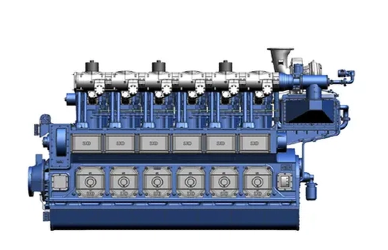
The tire pyrolysis gas generator set is essential for converting purified pyrolysis gas into electrical energy, maximizing energy recovery from waste tires and supporting clean power generation.
Power Ratings and Scalability
Generator sets come in various power capacities, typically 300kW, 500kW, and 1000kW, allowing flexibility to meet different energy demands and expansion needs.
Key Features
Fuel Adaptability: Advanced systems adjust air-fuel ratios and ignition timing to handle variations in pyrolysis gas composition, ensuring stable combustion.
Emission Control: Equipped with technologies like catalytic converters and SCR systems to reduce pollutants and comply with environmental standards.
Efficiency: Real-time monitoring maintains consistent power output despite changes in gas quality.
Recommended Supplier
Jiangsu Kelinyuan Clean Energy Technology Co., Ltd. offers reliable generator sets tailored for tire pyrolysis gas, with strong technical support and after-sales service, ensuring efficient and sustainable operation.

Power Distribution and Control System
The power distribution and control system is essential for managing the electrical output of the tire pyrolysis gas generator set, ensuring stable and efficient power delivery.
Key Components
Switchgear: Safely controls and protects the electrical circuits by managing power flow and isolating faults.
Voltage Regulators: Maintain consistent voltage levels to protect connected equipment from fluctuations.
Inverters and Power Meters: Convert and measure electrical energy for accurate monitoring and utilization.
Monitoring and Control
Advanced monitoring systems provide real-time data on load balancing and fuel input, optimizing generator performance and preventing overloads.
Grid Integration
The system supports smooth integration with the local power grid or allows for off-grid standalone operation, making it flexible for various project needs.
Auxiliary Systems
Auxiliary systems support the main tire pyrolysis gas generator set, ensuring smooth and efficient operation of the entire tire cracking power station.
Tire Shredder and Feeder Systems
These systems prepare scrap tires by shredding them into smaller pieces and feeding them consistently into the pyrolysis reactor, maintaining steady processing rates.
Condensation Units for Oil Recovery
Condensers cool the pyrolysis vapors, recovering valuable pyrolysis oil as a byproduct, enhancing the overall economic value of the process.
Char and Steel Wire Separator
After pyrolysis, this system separates solid char and steel wires from the residue, facilitating recycling and reducing waste.
Fire Suppression and Safety Monitoring Systems
Critical safety measures include automatic fire suppression devices and real-time monitoring to detect gas leaks or abnormal conditions, ensuring plant safety and environmental protection.
Site Planning and Infrastructure
Proper site planning and infrastructure are crucial for the efficient and safe operation of a tire cracking power station utilizing a tire pyrolysis gas generator set.
Space Requirements
Each major component—the tire pyrolysis unit, gas cleaning and cooling system, generator set, auxiliary equipment, and control systems—requires adequate space for installation, operation, and maintenance. Careful layout planning ensures smooth workflow and easy access for servicing.
Ventilation, Foundation, and Insulation
Effective ventilation systems are essential to disperse heat and prevent accumulation of combustible gases, enhancing safety. Foundations must be solid and level to support heavy machinery and reduce vibrations. Proper insulation of reactors and pipes minimizes heat loss, improving energy efficiency.
Environmental Compliance
The site must meet local environmental regulations concerning emissions, noise levels, and waste treatment. Emission control systems should be integrated to minimize pollutants, while noise reduction measures help maintain a safe and comfortable working environment. Waste byproducts such as char and oils should be handled responsibly to prevent environmental contamination.
Comprehensive planning of these aspects ensures a reliable, compliant, and sustainable tire pyrolysis power operation.
Conclusion
Building a successful tire cracking power station relies on selecting essential, high-quality equipment, including the tire pyrolysis unit, gas cleaning system, generator set, auxiliary components, and proper site infrastructure. Choosing reliable and efficient systems ensures stable operation, compliance with environmental standards, and maximizes long-term return on investment.
For tailored solutions and professional guidance, it is highly recommended to contact Jiangsu Kelinyuan Clean Energy Technology Co., Ltd. Their expertise in clean energy technology and customized equipment can help you achieve sustainable and efficient tire pyrolysis power projects.