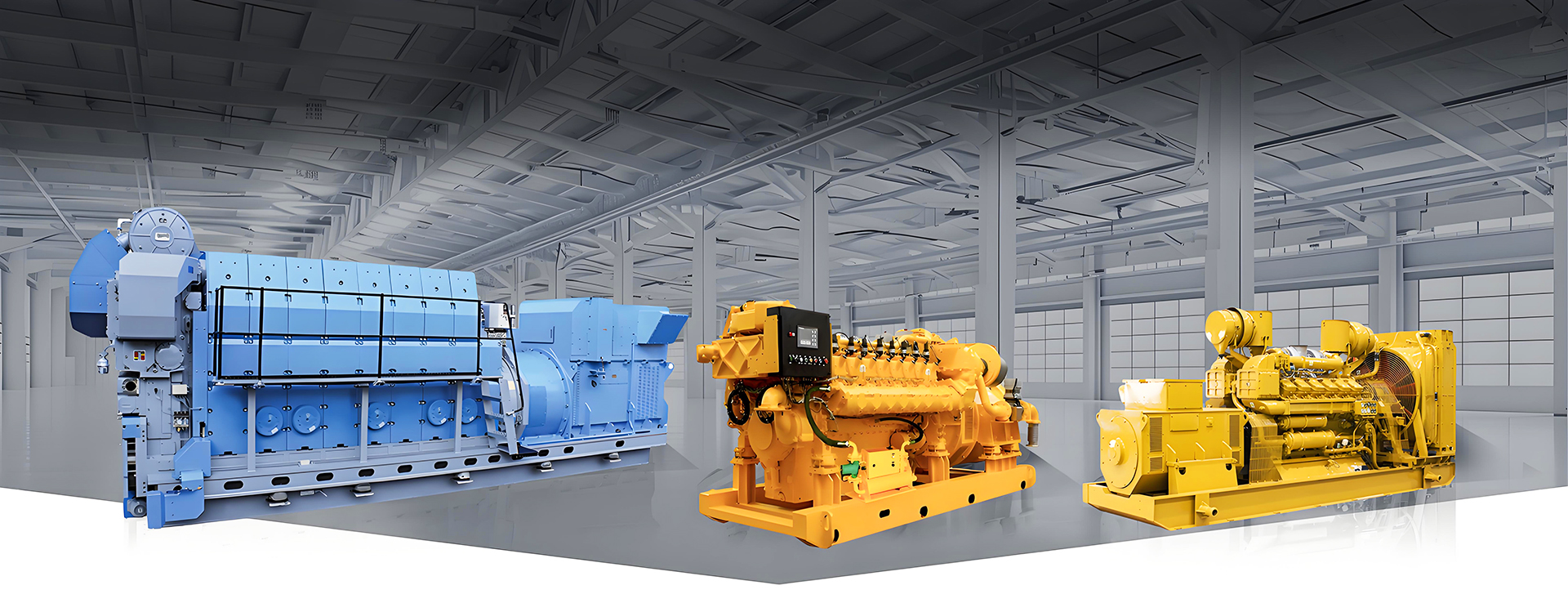
Tire pyrolysis gas generator setsare specialized power generation systems designed to utilize the combustible gas produced from the pyrolysis of waste tires. As the world faces increasing challenges in managing tire waste, pyrolysis technology has emerged as an effective method to convert scrap tires into valuable energy resources. These generator sets play a crucial role in transforming tire pyrolysis gas into reliable electricity, offering an eco-friendly solution to waste tire disposal and energy recovery.
Choosing the right tire pyrolysis gas generator set is essential because it directly impacts the system’s overall efficiency, operational cost, and compliance with environmental standards. An appropriately matched generator can maximize energy output while minimizing fuel consumption and emissions, ensuring both economic and ecological benefits.
This article aims to guide potential buyers by outlining five key questions to consider before purchasing a tire pyrolysis gas generator set. By addressing these questions, buyers can make informed decisions that align with their specific operational needs and sustainability goals.
What is the Power Capacity and Performance of the Generator Set?
When selecting a tire pyrolysis gas generator set, understanding the power capacity and overall performance of the unit is a fundamental step. These factors determine how well the generator can meet your energy demands and how efficiently it converts tire pyrolysis gas into usable electricity.
Understanding Rated Power Output
Generator sets are available in various power ratings, typically ranging from small-scale units around 100kW to large industrial models of 1000kW or more. The rated power output indicates the maximum continuous electrical power the generator can produce under ideal conditions. For example, a 500kW generator set can supply 500 kilowatts of electricity consistently. Selecting a generator with the appropriate power rating ensures that it can handle your specific load requirements without overloading or underutilizing the equipment.
Evaluating Efficiency When Fueled by Tire Pyrolysis Gas
The efficiency of a generator set fueled by tire pyrolysis gas is crucial for optimizing fuel consumption and reducing operational costs. Tire pyrolysis gas, as a renewable yet variable fuel source, can differ in composition and calorific value depending on the tire feedstock and pyrolysis process. Therefore, it is important to assess how effectively the generator converts this gas into electrical energy. High-efficiency models maximize the use of available fuel energy, resulting in lower fuel costs and reduced emissions.
Assessing Stability and Continuous Operation Capability
Stability during operation and the ability to run continuously over extended periods are key performance indicators for any power generation system. A tire pyrolysis gas generator set must maintain steady output despite fluctuations in gas quality or load demand. Reliable control systems and robust engineering design help prevent power interruptions and minimize downtime. This is especially important for industrial applications where consistent power supply is critical.
How Compatible Is the Generator Set with Tire Pyrolysis Gas?
The compatibility of a tire pyrolysis gas generator set with its fuel source is crucial for stable, efficient, and environmentally compliant power generation. Since pyrolysis gas has unique characteristics, not all generator sets are suitable for it.
Fuel Quality and Gas Composition
Tire pyrolysis gas is produced by decomposing waste tires in an oxygen-free environment. It contains a mix of methane, hydrogen, carbon monoxide, and trace impurities like sulfur. The composition varies based on tire type and pyrolysis conditions.
A compatible generator set should include filtration, moisture removal, and pressure regulation systems to handle this mixed gas safely. Without proper treatment, the gas may cause engine inefficiency or damage.
Adaptability to Gas Variability
Pyrolysis gas differs from conventional fuels due to fluctuating energy content and composition. Advanced generator sets offer features like automatic air-fuel ratio control, adjustable ignition timing, and real-time monitoring. These ensure stable combustion and reliable performance, even when gas quality changes.
Emission Compliance
Due to potential contaminants in tire pyrolysis gas, emission control is essential. Generator sets must meet environmental standards using technologies such as catalytic converters, scrubbers, or SCR systems. This helps reduce pollutants and supports regulatory compliance and green certifications.
What Are the Maintenance and Operational Requirements?
Ensuring the long-term reliability of a tire pyrolysis gas generator set depends heavily on proper maintenance and operational planning. Unlike conventional fuels, tire pyrolysis gas introduces specific challenges such as gas impurities and combustion variability, making regular servicing and technical support even more critical.
Routine Maintenance Schedules and Ease of Servicing
Every generator set requires scheduled maintenance to sustain peak performance. For pyrolysis gas generator sets, this often includes:
Engine oil and filter replacement
Inspection and cleaning of spark plugs and combustion chambers
Monitoring and replacing gas filters and moisture traps
Because tire pyrolysis gas may contain impurities like tar or sulfur, cleaning and inspection frequency is typically higher than that for natural gas generators. It is important to choose equipment designed with easy-access maintenance points and automated monitoring systems to simplify routine servicing.
Availability of Technical Support and Spare Parts
Reliable after-sales support plays a significant role in reducing downtime. Before purchasing, it is important to confirm:
Availability of spare parts, including ignition components, sensors, and gas system parts
Response time for technical service, especially for international users
Remote diagnostics or on-site troubleshooting capabilities
A trusted manufacturer or supplier should provide not only spare parts inventory but also technical documentation, training, and quick-response service teams to support long-term operation.
Operational Lifespan and Durability Under Continuous Load
A well-built tire pyrolysis gas generator set is engineered to operate under continuous or semi-continuous loads, especially in industrial energy recovery projects. Important aspects include:
Engine robustness against high thermal loads and corrosive elements in the gas
Control system stability for long-hour operation
Structural durability of the skid, alternator, and gas conditioning units
Buyers should evaluate the expected operational life of the unit (usually 20,000 to 30,000 hours for quality sets) and check whether the system has been tested under pyrolysis gas-specific conditions.

What Safety Features and Environmental Protections Are Included?
When working with a tire pyrolysis gas generator set, safety and environmental compliance are essential. Due to the combustible and potentially impure nature of pyrolysis gas, these systems must include multiple protective features.
Safety Mechanisms for Handling Pyrolysis Gas
To prevent gas leaks, explosions, or backfires, quality generator sets include:
Gas leak detection sensors
Automatic shut-off valves
Pressure relief devices
Flame arrestors and ventilation systems
These components help ensure safe operation, especially in enclosed or industrial environments.
Emission Control Technologies
To comply with environmental regulations, the generator set may be equipped with:
Catalytic converters to reduce NOx and CO
Gas scrubbers or filters to remove sulfur and particulates
Electronic monitoring systems to track emissions in real time
These technologies help the unit meet local and international environmental standards.
Noise Reduction and Workplace Safety
To protect workers and reduce environmental noise, modern units often include:
Acoustic enclosures or silencers
Vibration dampening mounts
Emergency stop systems and clear warning displays
These features enhance operator safety and improve overall working conditions around the generator.
What Is the Total Cost of Ownership and After-Sales Service?
When investing in a tire pyrolysis gas generator set, it’s important to look beyond the initial purchase price and evaluate the total cost of ownership (TCO), which includes long-term operational expenses and after-sales support.
Initial Purchase Price vs. Long-Term Operational Costs
In addition to the upfront cost, consider factors such as:
Fuel efficiency (affects ongoing fuel costs)
Maintenance frequency and cost of consumables
Downtime and its impact on production and revenue
A more efficient and durable generator may have a higher purchase price but significantly lower operational costs over time.
Warranty Terms and Service Agreements
High-quality generator sets often come with:
Standard warranty of 12–24 months
Optional extended warranties or annual maintenance contracts
Clear service coverage and response time guarantees
Reliable warranty terms help minimize repair risks and ensure peace of mind during operation.
Support for Installation, Training, and Troubleshooting
A trusted supplier should provide comprehensive after-sales support, including:
Installation and commissioning assistance
Training for operators and maintenance teams
Remote diagnostics and technical support
Strong technical support ensures quick setup and long-term system stability.
Conclusion
Selecting the right tire pyrolysis gas generator set is a strategic decision that affects long-term efficiency, cost, and environmental performance. By carefully evaluating factors such as fuel compatibility, maintenance requirements, emission controls, and total ownership cost, buyers can make informed, confident choices.
For those seeking professional guidance and high-quality solutions, Jiangsu Kelinyuan Clean Energy Technology Co., Ltd. offers reliable, expertly engineered generator sets tailored for tire pyrolysis applications. With strong technical support and proven experience, Kelinyuan is a trusted partner for sustainable energy projects.
To learn more or request a consultation, please visit www.klygenset.com or contact the Kelinyuan team directly.