Introduction
What happens to the large amounts of low-concentration gas produced in industry? Many facilities now turn these gases into useful energy. Modern Gas Generator Sets make this possible. In this article, you will learn how low concentration gas generators work and explore their main application scenarios across industries and energy systems.
Understanding Low Concentration Gas Generators and Modern Gas Generator Sets
What Is a Low Concentration Gas Generator?
In many industrial environments, combustible gases are produced at concentrations too low to be used directly as fuel or too unstable to store in cylinders. A low concentration gas generator is designed to manage these gases by controlling their composition, purification, and combustion conditions so they can be safely utilized. Depending on the system design, the generator may dilute high-concentration gases to precise levels for testing applications or process low-calorific gases to make them usable for power generation.
These systems are commonly integrated with Gas Generator Sets, especially in industries that produce waste gases as part of their operations. By combining purification modules, flow control technology, and gas engines, the system can transform gases that would otherwise be vented or flared into a stable fuel source. This approach not only improves energy efficiency but also reduces environmental impact by minimizing waste gas emissions.
Because low concentration gas generators can operate across a wide range of gas compositions, they are widely used in sectors such as metallurgy, chemical processing, mining, and environmental engineering, where gas streams often vary in concentration and calorific value.

How Gas Generator Sets Convert Low-Concentration Gas into Power
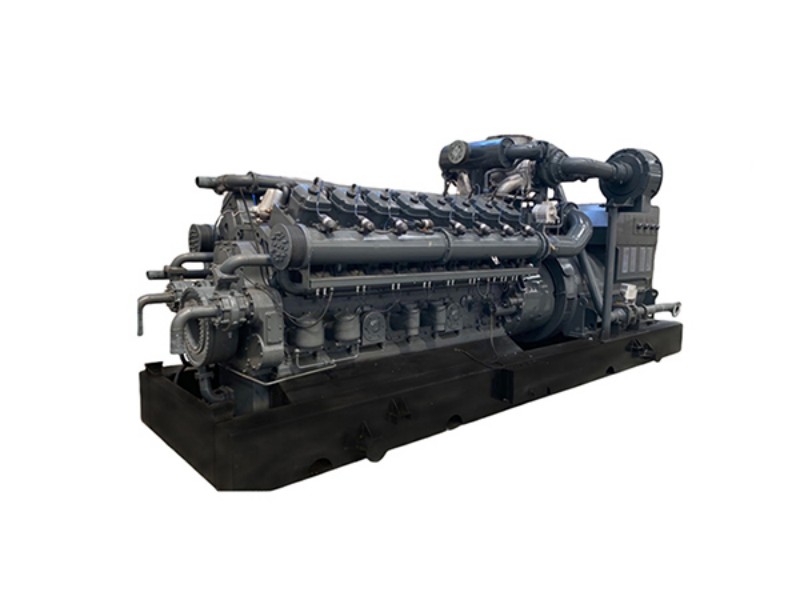
The conversion of low-concentration combustible gas into electricity relies on the coordinated operation of several components within a Gas Generator Set. At the core of the system is a gas internal combustion engine. When a properly balanced mixture of fuel gas and air enters the combustion chamber, ignition creates mechanical energy that drives the generator to produce electricity.
To ensure stable operation, these systems typically incorporate several supporting modules:
Key Component | Function |
Gas purification system | Removes dust, moisture, and harmful impurities from the gas stream |
Fuel supply & mixing unit | Regulates gas pressure and maintains the correct air–fuel ratio |
Generator unit | Converts mechanical energy from the engine into electrical power |
Intelligent control system | Monitors performance and adjusts operating parameters in real time |
Through this integrated structure, industries can convert gases that once had little economic value into a dependable power source. Instead of being released into the atmosphere, low-concentration gases become part of a productive energy cycle, helping facilities reduce emissions while improving overall energy efficiency.
Example: High-Efficiency Industrial Gas Generator Set Technology
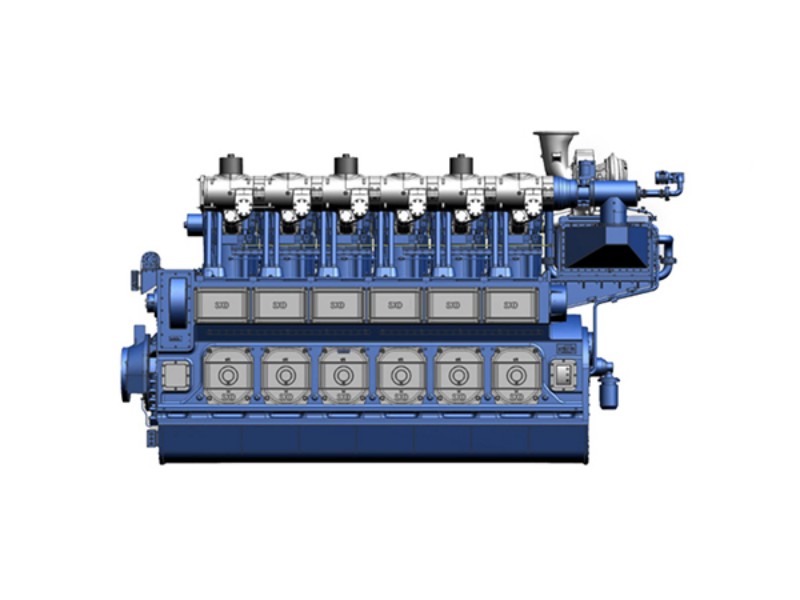
Recent advances in gas engine technology have significantly improved the efficiency and reliability of modern Gas Generator Sets. Large-scale industrial units such as the 6L40/52G Gas Generator Set are designed for high-capacity energy production, delivering power outputs in the range of roughly 3000–4000 kW while maintaining stable operation in demanding industrial environments.
A key factor behind this performance is the use of advanced combustion technologies. Systems using in-cylinder mixed direct injection and stratified lean combustion improve fuel utilization by ensuring that gas and air mix efficiently before ignition. At the same time, precise air-fuel ratio control and pre-combustion chamber design help maintain consistent combustion even when gas composition fluctuates.
The result is a power generation system capable of achieving generation efficiencies exceeding 40% while keeping emissions under strict environmental limits. For industries that operate continuously—such as steel production, chemical processing, or waste gas treatment—these technologies allow gas generator sets to provide reliable base-load electricity while making productive use of low-calorific fuel sources.
Industrial Waste Gas Utilization with Gas Generator Sets
Power Generation from Industrial Tail Gas
Large industrial facilities often release substantial volumes of combustible tail gases during production processes. In sectors such as iron and steel manufacturing, coke production, or chemical processing, gases like blast furnace gas or coke oven gas are by-products that traditionally required flaring or costly treatment before release.
Modern Gas Generator Sets provide a practical alternative by converting these gases into electricity. After purification to remove dust, sulfur compounds, and other contaminants, the tail gas is fed into a gas engine where it becomes the primary fuel for power generation. This integrated approach—often described as a “purification + power generation” solution—creates a closed-loop energy system within the facility.
Instead of treating industrial gas as waste, companies can transform it into an internal energy source that supports manufacturing operations. This reduces dependence on external electricity supplies while simultaneously lowering emissions associated with waste gas discharge.
Waste Pyrolysis Gas Energy Recovery
Another emerging application involves the treatment of gases generated during waste pyrolysis processes. Facilities that convert plastic waste, scrap tires, or other organic materials into fuels or chemical products often produce secondary gases with relatively low calorific values.
Rather than venting these gases or burning them inefficiently, gas generator systems can capture and utilize them as a fuel source. After undergoing basic purification and pressure stabilization, the pyrolysis gas can be introduced into the generator set where it fuels the combustion process. The resulting electricity can power the pyrolysis plant itself or be fed into the local grid.
This creates a circular utilization pathway in which waste materials generate both primary products and usable energy. In practical terms, it transforms a disposal challenge into a revenue-generating resource while improving the overall energy efficiency of the waste treatment operation.
Environmental and Economic Benefits
Using Gas Generator Sets to recover energy from industrial and waste gases provides advantages that extend beyond electricity production. Facilities that implement such systems often experience both environmental and financial improvements because the technology converts previously unused resources into productive assets.
Key benefits typically include:
● Lower greenhouse gas emissions: By capturing combustible gases that might otherwise be released or flared, facilities reduce methane and other pollutant emissions.
● Improved regulatory compliance: Many regions impose strict environmental standards for industrial emissions, and gas utilization systems help meet these requirements.
● Reduced energy costs: Generating electricity from on-site gas streams decreases reliance on purchased power.
● Enhanced resource efficiency: Industrial by-products become part of a sustainable energy cycle instead of being treated solely as waste.
As industries continue to pursue cleaner production models and energy optimization strategies, waste-gas-based power generation is becoming an increasingly important part of modern industrial infrastructure.
Biogas and Renewable Gas Power Generation Applications
Agricultural Biogas Utilization
Modern livestock farms generate significant volumes of organic waste, particularly manure and wastewater from large-scale pig, cattle, and poultry operations. Through anaerobic fermentation, this organic material naturally produces biogas, a mixture that typically contains methane along with other gases at relatively low concentrations. Without proper utilization, these gases can escape into the atmosphere, contributing to greenhouse emissions and causing odor issues around agricultural facilities.
By integrating low concentration gas generators with farm biogas systems, agricultural operators can convert this by-product into useful electricity and heat. The gas collected from fermentation tanks is first stabilized and purified, then used as fuel for Gas Generator Sets that power farm infrastructure. Electricity produced by these systems can support ventilation systems, feeding equipment, lighting, water pumps, and other essential farm operations.
Beyond energy production, this approach improves waste management efficiency and helps farms become more energy independent. Instead of relying entirely on external electricity supplies, agricultural producers can generate power directly from their own organic waste streams while reducing environmental impacts associated with methane release.
Wastewater and Organic Waste Treatment Facilities
Urban waste treatment infrastructure also generates large quantities of biogas during the decomposition of organic matter. Sewage treatment plants, landfill sites, and food waste processing facilities all rely on microbial digestion processes that produce methane-rich gas streams as a natural by-product.
Rather than treating this gas solely as a waste emission, many facilities now install Gas Generator Sets to convert the gas into electricity. After purification to remove moisture and contaminants, the gas can fuel engines that generate power for plant operations such as pumping, aeration, and sludge processing. In some cases, surplus electricity can be exported to the local grid, turning waste treatment facilities into small energy producers.
A simplified overview of typical waste-to-energy applications is shown below:
Facility Type | Gas Source | Typical Energy Use |
Sewage treatment plants | Digester gas from sludge fermentation | Powering pumps, aeration systems |
Landfill sites | Methane released from decomposing waste | Electricity generation for site operations |
Food waste plants | Gas from anaerobic digestion of organic waste | Energy for treatment equipment or grid supply |
This model supports both waste management efficiency and renewable energy generation within municipal infrastructure.
Distributed Renewable Energy Systems
In regions where biogas or other renewable gas sources are produced locally, distributed energy systems offer an effective way to utilize these resources. Instead of transporting fuel over long distances or relying solely on centralized power plants, energy can be generated close to where the gas is produced and consumed.
Low concentration gas generators combined with Gas Generator Sets enable decentralized energy production in rural areas, agricultural zones, or industrial parks. When integrated into combined heat and power (CHP) systems, the technology can simultaneously produce electricity and recover useful heat from engine exhaust and cooling systems. This recovered heat can be used for building heating, drying processes, or maintaining fermentation temperatures in biogas digesters.
Such configurations significantly improve overall energy efficiency compared with electricity-only systems. In many installations, the total energy utilization rate can exceed that of traditional power plants because both thermal and electrical energy are captured from the same fuel source.
Specialized Energy Applications: Mining, Oil & Remote Power Supply

Methane is commonly released during coal mining operations as gas trapped in coal seams escapes when tunnels are excavated. In underground mines, this gas can accumulate and create serious safety hazards if concentrations rise beyond safe levels. Traditionally, ventilation systems dilute and release methane to reduce explosion risks.
Low concentration gas generator systems provide an alternative that improves both safety and energy efficiency. Instead of simply venting the methane, the extracted mine gas can be collected and used as fuel for Gas Generator Sets. Once stabilized and conditioned, the gas is fed into the generator engine where it produces electricity for mine operations.
This process transforms a hazardous by-product into a valuable energy resource. Electricity generated on-site can support ventilation systems, conveyor equipment, and underground lighting, while the removal of methane from mine tunnels reduces the likelihood of dangerous gas accumulation.
Oil and Gas Field Associated Gas Utilization
During oil extraction, natural gas is often produced alongside crude oil. In remote oil fields where pipeline infrastructure is limited, this associated gas has historically been flared or released because transporting it to processing facilities is difficult. Flaring not only wastes energy but also produces unnecessary emissions.
Gas generator technology allows this resource to be used directly at the production site. By installing Gas Generator Sets near drilling or processing facilities, associated gas can be used as a fuel source for on-site electricity generation. The resulting power can support drilling equipment, pumping systems, compressors, and pipeline monitoring stations.
This approach is particularly valuable in isolated production regions where access to grid electricity is limited. Converting associated gas into usable power improves operational efficiency while reducing the environmental impact of routine gas flaring.
Reliable Power for Remote Industrial Operations
Industrial facilities located far from established power infrastructure often face challenges in securing reliable electricity. Mining operations, offshore platforms, remote processing plants, and exploration sites frequently require continuous power for heavy equipment and safety systems.
In these environments, Gas Generator Sets can serve as both prime power sources and backup generation systems. When local gas resources such as biogas, coal mine gas, or associated gas are available, low concentration gas generators make it possible to use these fuels directly for electricity production.
Compared with many conventional generators, gas-powered systems can offer faster startup and more responsive load adjustment. This allows them to adapt quickly to changing energy demands, which is essential in industrial operations where equipment loads fluctuate throughout the day. The ability to generate power on-site also reduces dependence on fuel transport and external grid connections, improving overall operational resilience.
Conclusion
Low concentration gas generators and modern Gas Generator Sets help industries turn waste gas into reliable energy while reducing emissions. These systems support applications from biogas power to industrial tail gas recovery. Jiangsu Kelinyuan Clean Energy Technology Co., Ltd. provides high-efficiency gas generator solutions with advanced combustion technology and flexible energy systems that improve sustainability and operational value.
FAQ
Q: What are Gas Generator Sets used for?
A: Gas Generator Sets convert combustible gases into electricity for industrial, biogas, and waste-gas power generation systems.
Q: Can Gas Generator Sets run on low concentration gases?
A: Yes. Modern Gas Generator Sets can utilize low-calorific gases after purification and controlled combustion.
Q: Where are Gas Generator Sets commonly installed?
A: Gas Generator Sets are widely installed in steel plants, biogas facilities, landfills, and oil fields.
Q: How do low concentration gas generators support renewable energy?
A: They supply fuel to Gas Generator Sets, enabling power generation from biogas and organic waste gases.
Q: Are Gas Generator Sets suitable for remote industrial sites?
A: Yes. Gas Generator Sets provide stable prime or backup power where grid access is limited.