Industrial power systems face growing pressure to deliver cleaner energy. But sulfur compounds in fuel gas can quietly damage Gas Generator Sets and reduce efficiency. How can operators solve this challenge? In this article, you will learn how wet desulfurization technology improves generator efficiency, protects equipment, and supports cleaner, more reliable power generation.
Understanding Wet Desulfurization and Its Role in Gas Generator Sets
Why Sulfur Removal Is Critical for Gas Generator Systems
Many Gas Generator Sets operate with fuels such as natural gas, biogas, landfill gas, or industrial tail gas. These fuels often contain sulfur compounds like hydrogen sulfide (H₂S), which can be converted into sulfur dioxide (SO₂) during combustion. If not removed, these substances can harm generator performance and reduce operational reliability.
Sulfur gases can combine with moisture in exhaust systems to form acidic compounds that corrode critical components such as cylinders, turbochargers, and heat exchangers. This corrosion increases maintenance requirements and may shorten equipment lifespan. In addition, sulfur impurities can disrupt stable combustion, leading to incomplete burning, higher emissions, and reduced energy efficiency. Removing sulfur compounds before combustion helps maintain stable operation and protects generator systems.

Core Working Principle of Wet Desulfurization Technology
Wet desulfurization removes sulfur compounds by bringing contaminated gas into contact with a liquid absorbent, typically an alkaline slurry. Inside an absorber tower, the gas stream is sprayed with this solution, allowing sulfur gases to dissolve and react chemically with the absorbent.
Through this process, sulfur compounds are converted into stable materials such as gypsum or sulfate compounds. Because the reaction occurs in a liquid environment with strong gas–liquid contact, wet desulfurization systems can efficiently capture sulfur pollutants even at high gas flow rates, producing a cleaner gas stream suitable for further energy recovery or safe discharge.
Wet Desulfurization Compared with Other Desulfurization Technologies
Desulfurization technologies generally fall into three categories: wet, semi-dry, and dry systems. Wet systems use liquid absorbents, semi-dry systems spray a slurry that dries during the reaction, and dry systems inject powdered sorbents directly into flue gas.
Type | Process | Typical SO₂ Removal |
Wet FGD | Liquid slurry absorbs sulfur gases | 90–99% |
Semi-Dry FGD | Slurry spray dries during reaction | 80–95% |
Dry FGD | Powdered sorbent injected into gas | Up to ~90% |
Due to their higher efficiency and stable performance, wet desulfurization systems are widely used in large industrial facilities and high-capacity Gas Generator Sets that require strict emission control.
How Wet Desulfurization Directly Improves Gas Generator Sets Efficiency
Fuel Gas Purification for Stable Combustion
In gas-based power generation, the quality of fuel directly affects engine stability and energy conversion efficiency. Fuels such as biogas, landfill gas, or industrial tail gas frequently contain hydrogen sulfide (H₂S) and other sulfur impurities. If these contaminants enter the engine, they can disturb combustion and produce corrosive by-products during operation.
Wet desulfurization technology removes sulfur compounds before the fuel gas reaches the combustion chamber. Cleaner fuel enables a more balanced air–fuel mixture, allowing the engine to maintain stable ignition and more complete combustion. This improves fuel utilization and increases the proportion of chemical energy converted into electrical power.
Key benefits of fuel gas purification include:
● More stable combustion conditions
● Reduced risk of incomplete fuel burning
● Improved generator efficiency and lower fuel consumption
Even small improvements in combustion quality can noticeably increase the overall performance of large Gas Generator Sets.
Reduced Equipment Corrosion and Maintenance
Sulfur compounds can create serious long-term damage to generator equipment. During combustion, sulfur gases may combine with moisture in the exhaust to form acidic substances. These corrosive compounds gradually attack metal surfaces inside engines and exhaust systems.
Critical components affected include:
Component | Potential Impact of Sulfur Corrosion |
Engine cylinders | Surface wear and reduced sealing efficiency |
Turbochargers | Damage to turbine blades |
Exhaust pipelines | Internal corrosion and leakage risk |
Heat exchangers | Reduced heat transfer efficiency |
Wet desulfurization significantly lowers the concentration of sulfur gases before they enter the engine or exhaust system. With fewer corrosive substances present, internal components remain in better condition, leading to longer service intervals and more predictable maintenance schedules.
As a result, industrial facilities operating Gas Generator Sets can reduce downtime, extend equipment lifespan, and maintain stable power generation.
Improved Thermal Efficiency and Energy Recovery
Beyond protecting equipment, removing sulfur compounds also improves the thermal efficiency of the entire power generation system. When sulfur gases remain in the exhaust stream, operators often maintain higher exhaust temperatures to prevent acidic condensation that could damage downstream equipment.
After wet desulfurization removes most sulfur pollutants, this limitation is reduced. The generator system can operate safely at lower exhaust temperatures, which allows waste heat recovery systems to capture more energy from the exhaust flow.
In systems equipped with CHP (Combined Heat and Power) or CCHP (Combined Cooling, Heating, and Power) technology, recovered heat can be reused for:
● Industrial process heating
● Steam generation
● Absorption cooling systems
Recovering this otherwise wasted thermal energy significantly increases the total energy efficiency of Gas Generator Sets, allowing facilities to obtain more useful output from the same fuel supply.
Lower Operational Energy Consumption
Modern wet desulfurization systems are designed with efficiency in mind. Earlier systems often required substantial auxiliary energy to operate circulation pumps, fans, and treatment equipment. Advances in absorber design have reduced these additional energy requirements.
Improved gas–liquid contact inside absorber towers allows sulfur removal to remain highly effective even with a lower liquid-to-gas ratio. This reduces the amount of slurry circulation required and lowers the electricity consumption of pumps. At the same time, optimized tower structures reduce airflow resistance, decreasing the load on induced draft fans.
Operational improvements typically include:
● Reduced pump power consumption
● Lower fan energy demand
● More efficient absorber tower operation
By minimizing the internal energy consumption of the treatment system, facilities can preserve more of the generated electricity for external use, improving the overall efficiency of large-scale Gas Generator Sets.
Example of Integrated Gas Generator Sets with Wet Desulfurization Technology
High-Efficiency Gas Generator Set Design

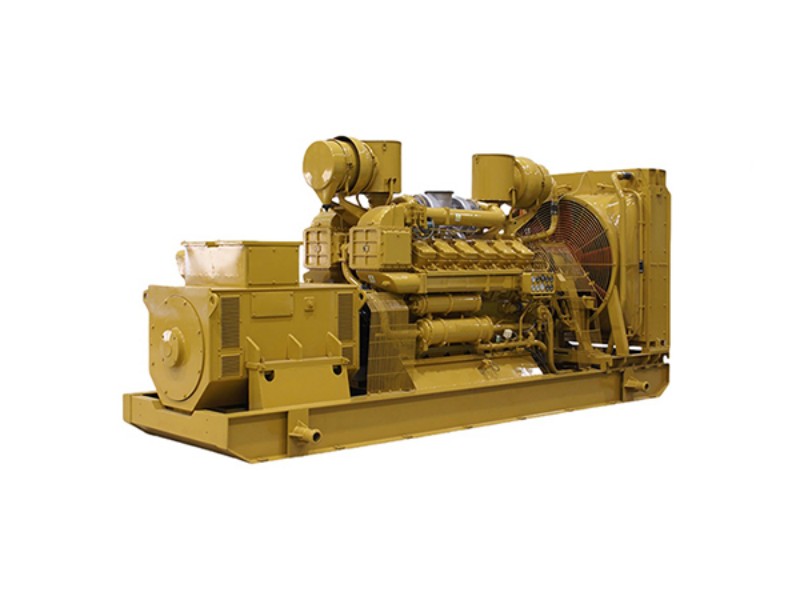
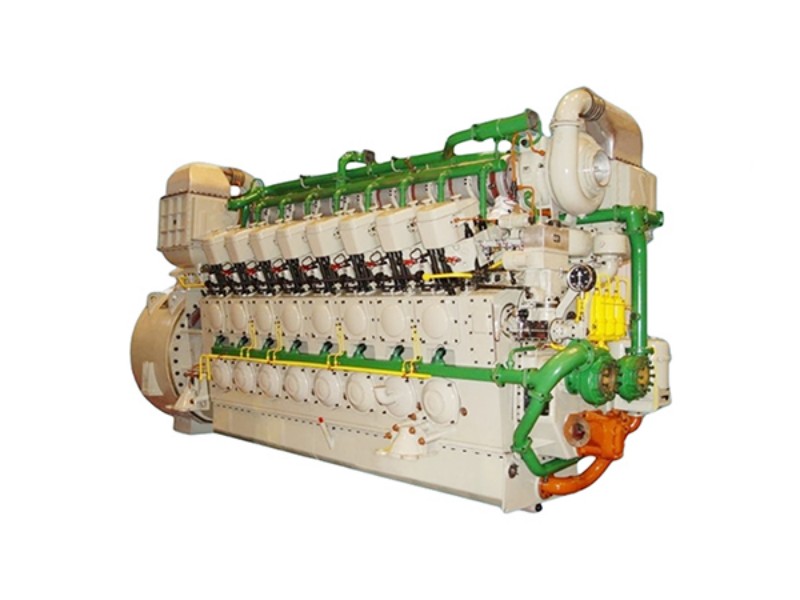
A typical example of integrating power generation with emission control is the 16V 280Z Series Gas Generator Set (Z4000G), designed for large-scale industrial applications. With an output range of 3000–4000 kW, the system is built for continuous power supply in demanding environments such as manufacturing plants, mining sites, and distributed energy systems.
The generator adopts a V-type 16-cylinder engine structure, providing strong load capacity and stable operation. Its design supports integration with environmental technologies such as wet desulfurization and flue gas treatment systems, allowing the generator to maintain high performance while meeting emission requirements.
Advanced Combustion and Emission Control Technologies
The system uses in-cylinder mixed direct injection and stratified lean combustion, which improves fuel–air mixing and enables more complete combustion. This helps increase fuel efficiency while reducing pollutant formation during the combustion process.
In addition, the generator set integrates a flue gas denitrification system to reduce nitrogen oxide (NOx) emissions. When combined with wet desulfurization technology for sulfur removal, the system can simultaneously control multiple pollutants while maintaining efficient power generation.
Operational Efficiency and Reliability Advantages
The 16V 280Z Gas Generator Sets achieve a power generation efficiency of around 42%, higher than many traditional diesel generators. Intelligent control systems continuously regulate the air–fuel ratio, ensuring stable operation even under fluctuating loads.
Durability is another key advantage. The generator is designed for long service cycles, with overhaul intervals of up to 60,000 hours and a design lifespan exceeding 25 years, helping reduce maintenance costs and operational interruptions.
Flexible Fuel Compatibility for Sustainable Energy
The generator set supports multiple gaseous fuels, including natural gas, LPG, biogas, and industrial tail gas. This flexibility allows operators to use locally available or renewable fuels to reduce operating costs.
Because some alternative fuels contain sulfur impurities, wet desulfurization systems play an important role in fuel purification. By removing sulfur compounds before combustion, the system protects engine components and ensures reliable operation across different fuel sources.
Integrated Clean Energy Solutions for Industrial Power Systems
Combined Environmental Protection Systems
Modern industrial power plants must deliver reliable electricity while meeting strict environmental standards. To achieve this balance, many Gas Generator Sets now incorporate integrated emission control systems that combine wet desulfurization and flue gas denitrification technologies.
In these systems, each technology addresses a specific type of pollutant:
Technology | Target Pollutant | Function |
Wet Desulfurization | SO₂, H₂S | Removes sulfur compounds from fuel gas or exhaust |
Flue Gas Denitrification | NOx | Reduces nitrogen oxide emissions from combustion |
Working together, these systems significantly reduce harmful emissions such as sulfur dioxide, nitrogen oxides, and fine particulates. At the same time, removing corrosive gases helps protect engine components and downstream heat recovery equipment, improving overall system durability.
Multi-Fuel Power Generation for Diverse Industrial Applications
Flexibility in fuel usage is a major advantage of modern Gas Generator Sets. Systems integrated with wet desulfurization can safely operate using various gaseous fuels, including:
● Natural gas
● Liquefied petroleum gas (LPG)
● Biogas from agricultural or landfill sources
● Industrial by-product gases
Because some alternative fuels contain sulfur impurities, desulfurization ensures the gas is purified before combustion. This enables facilities to utilize low-cost or renewable fuels without compromising engine performance.
Such systems are widely used across different sectors:
Industry | Typical Energy Demand |
Healthcare | Continuous and reliable power supply |
Mining | Utilization of waste gas for power generation |
Agriculture | Biogas energy conversion |
Construction | Temporary or distributed power systems |
Intelligent Monitoring and System Optimization
With increasing system complexity, digital monitoring and automated control technologies play a key role in maintaining operational efficiency. Modern generator systems integrate advanced monitoring software and load control systems that continuously track operating parameters.
These platforms collect real-time data from multiple components, including engines, fuel systems, emission treatment units, and desulfurization equipment. By analyzing this data, the control system can automatically optimize engine output, combustion conditions, and emission control performance.
Key optimization capabilities include:
● Real-time monitoring of load, temperature, and fuel flow
● Automatic adjustment of air–fuel ratios
● Early detection of abnormal equipment behavior
● Reduced downtime through predictive maintenance
Such intelligent systems help ensure Gas Generator Sets operate consistently at optimal efficiency.
Customized Integrated Energy Solutions
Industrial facilities often have unique energy requirements depending on their fuel sources, production processes, and environmental regulations. As a result, modern power systems are increasingly designed as integrated energy solutions rather than standalone generator units.
A typical integrated system may combine several technologies:
● Gas generator sets for electricity production
● Wet desulfurization systems for sulfur removal
● Waste heat recovery units for thermal energy utilization
● Intelligent monitoring and control platforms
By tailoring these components to site conditions—such as fuel composition, energy demand patterns, and environmental standards—operators can achieve higher efficiency and lower operating costs. This integrated approach enables industrial facilities to build more sustainable and resilient power systems while maximizing the value of available energy resources.
Conclusion
Wet desulfurization technology improves the efficiency, reliability, and environmental performance of Gas Generator Sets. By removing sulfur compounds from fuel gas and exhaust streams, it enables cleaner combustion, lower corrosion, and stable operation. Jiangsu Kelinyuan Clean Energy Technology Co., Ltd. provides advanced gas generator solutions that integrate wet desulfurization, delivering efficient, durable, and sustainable power for modern industrial energy systems.
FAQ
Q: Why is wet desulfurization important for Gas Generator Sets?
A: Wet desulfurization removes sulfur compounds that cause corrosion and unstable combustion in Gas Generator Sets, improving efficiency and equipment lifespan.
Q: How does wet desulfurization improve efficiency in Gas Generator Sets?
A: Wet desulfurization cleans fuel or exhaust gas, enabling Gas Generator Sets to achieve stable combustion, better heat recovery, and lower maintenance requirements.
Q: What sulfur removal efficiency can wet desulfurization systems achieve?
A: Most wet desulfurization systems remove 90–99% of sulfur dioxide, allowing Gas Generator Sets to operate reliably under strict emission standards.
Q: Can Gas Generator Sets run on biogas with wet desulfurization?
A: Yes. Wet desulfurization removes hydrogen sulfide from biogas, enabling Gas Generator Sets to operate safely with renewable or sulfur-containing fuels.