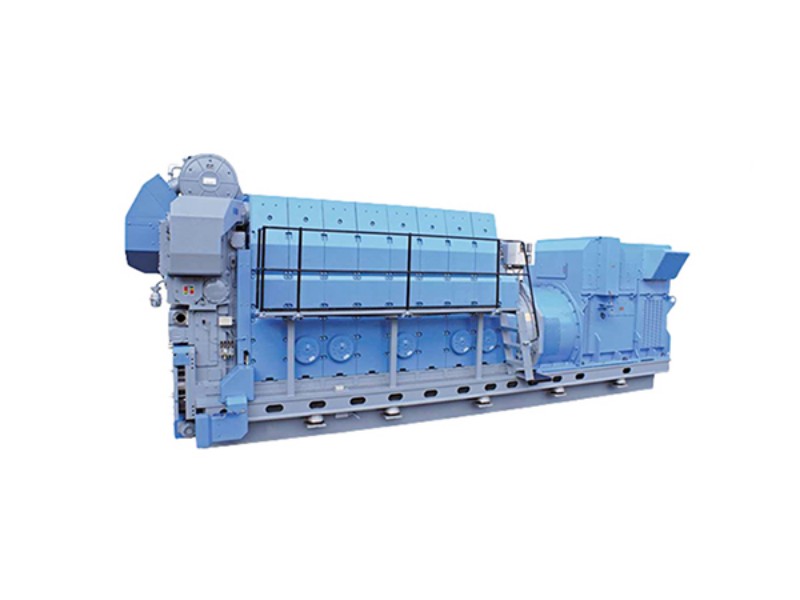
Diesel is not always the safest choice. Gas is not always cheaper either. The right answer depends on your site. In this article, we compare a natural gas generator set and a diesel generator set. You will learn how fuel, cost, emissions, load, and maintenance affect your project.
Key Takeaways
●A natural gas generator set is usually better for long running hours, stable fuel access, lower emissions, and combined heat and power projects.
●A diesel generator set is still useful for emergency backup, remote sites, and projects where gas supply is not ready.
●Pipeline natural gas offers steady fuel supply, but it needs stable gas pressure and proper gas treatment.
●Liquefied natural gas and Compressed natural gas can support sites without pipelines, but storage and delivery planning matter.
●The real comparison should include fuel cost, maintenance, emission control, installation, downtime risk, and service support.
●A dual-fuel solution may work when the project needs gas economy plus diesel backup security.
Natural Gas Generator Set vs. Diesel Generator Set: Core Comparison
A natural gas generator set and a diesel generator set can both provide large-scale power. They can serve factories, industrial parks, oil and gas sites, hospitals, data centers, and off-grid projects. The key difference is not only the fuel. It is how the fuel affects daily operation, compliance, service cost, and long-term project risk.
Fuel Supply
A natural gas generator set uses gas as the main fuel. The gas may come from Pipeline natural gas, Liquefied natural gas, or Compressed natural gas. If the site has a stable pipeline, the unit can run for long periods without frequent fuel delivery.
Adiesel generator setuses liquid diesel stored in tanks. This gives the site more control over fuel reserves. It also makes diesel useful for emergency backup, temporary work, and remote areas. Yet diesel fuel needs delivery, storage checks, and spill control.
Operating Cost
For long-hour operation, natural gas often has a cost advantage. It can reduce fuel handling and support steady power generation. In some industrial projects, a basic estimate says 1m³ gas power 4.2kW.h electricity. This figure should be verified by gas quality, engine efficiency, altitude, and actual load.
Diesel may have a lower setup barrier in some areas. Yet fuel cost can rise fast if the unit runs daily. The total cost is not just the purchase price. It includes fuel logistics, maintenance, emission treatment, downtime, and service access.
Emissions
Natural gas burns cleaner than diesel in most industrial power settings. It usually produces less particulate matter and less visible smoke. This makes it easier to use near industrial parks, commercial zones, hospitals, and cleaner energy projects.
Diesel units can meet many project needs. Still, they may need more exhaust treatment in strict emission areas. For sites under carbon or air-quality pressure, gas power may support a cleaner project plan.
Startup and Load Response
Diesel generator sets are known for strong startup performance. They are often selected for backup power because they can respond quickly during outages. This is why many emergency systems still use diesel.
Modern natural gas generator sets can also start quickly and run stably. Their performance depends on gas pressure, gas quality, control systems, and correct commissioning. For industrial loads, the unit should be matched to real demand, not only rated power.
Continuous Operation
A natural gas generator set is often a strong fit for continuous power. It can serve factories, energy stations, oil and gas fields, and distributed energy systems. If the project also needs heat, a heat recovery system can improve total energy use.
Diesel can also run continuously. However, long daily operation increases fuel delivery pressure and maintenance planning. For sites that run many hours each day, this cost gap becomes more important.
Maintenance
Gas units need regular checks on ignition parts, gas filters, air-fuel ratio control, sensors, cooling systems, and lubrication. Gas quality also matters. Moisture, sulfur, dust, and pressure fluctuation can affect engine stability.
Diesel units need fuel filters, injectors, oil systems, cooling systems, batteries, and exhaust systems checked. Fuel storage also needs attention. Poor diesel quality can cause starting issues, injector wear, and unstable output.
Safety and Storage
Natural gas reduces the need for large diesel tanks. This can lower spill risk and simplify fuel handling. Yet gas systems need leak detection, pressure control, ventilation, and emergency shutoff design.
Diesel storage is more familiar for many sites. It gives fuel independence during grid failure. But it also brings tank design, fire safety, fuel aging, and environmental risk.
Tip:Before selecting fuel type, check local fuel supply reliability before comparing generator prices.
When a Natural Gas Generator Set Makes More Sense
A natural gas generator set is not only a cleaner replacement for diesel. It works best when the project conditions fit gas power. The strongest cases usually involve stable gas supply, long operating hours, and demand for cleaner energy.
Industrial Parks
Industrial parks often have stable power demand. They may also have access to Pipeline natural gas. In this case, gas generation can support production lines, public facilities, and local energy stations.
Gas power can also reduce fuel truck traffic. This helps site management. It can be more practical than storing large volumes of diesel inside a busy park.
Oil and Gas Fields
Gas fields and drilling sites may have available gas resources. A natural gas generator set can convert available gas into useful electricity. This can reduce diesel transport needs and improve local energy use.
For oil field gas, gas treatment is important. The project must check gas composition, pressure, impurities, and safety design before final equipment selection.
Low-Emission Projects
If a project has strict emission limits, natural gas can offer a clear advantage. It helps reduce smoke, odor, and particulate output. It also supports a cleaner brand image for industrial users.
Note:Gas power is not automatically low-cost; poor gas quality can raise maintenance cost and downtime risk.
When a Diesel Generator Set Is Still the Better Choice
Diesel is not outdated. It remains a practical choice in many industrial power projects. It is especially useful when the generator runs only during outages or when gas infrastructure is not available.
Emergency Backup
Many sites use diesel for standby power. Hospitals, data centers, factories, and public facilities often need fast backup during grid failure. Diesel fuel can be stored on site, so the system does not depend on pipeline pressure.
For short running hours, the cost gap may be smaller. A diesel generator set can remain a simple and reliable backup option.
Remote Sites
Remote sites may lack Pipeline natural gas. LNG and CNG supply may also be difficult. In such cases, diesel may be easier to deliver and manage.
Mines, construction sites, islands, and temporary projects often choose diesel for this reason. The key is to plan fuel storage and service intervals carefully.
Unstable Gas Supply
A gas generator needs stable fuel supply. If gas pressure changes often, the unit may lose efficiency or face shutdown risk. In this situation, diesel may offer stronger operational control.
A dual-fuel generator set can also help. It can use natural gas when available and switch to diesel when gas supply is interrupted.
Fuel Infrastructure Is the Hidden Decision Factor
Many projects compare generator price first. That is not enough. Fuel infrastructure can decide whether the system runs smoothly for years.
Pipeline Natural Gas
Pipeline natural gas is often the best gas source for fixed industrial sites. It supports steady operation and avoids daily fuel delivery. It is suitable for factories, parks, commercial buildings, and distributed energy systems.
Before choosing it, the site should check pipeline capacity, gas pressure, methane content, and safety approval. A good generator cannot fix weak fuel supply.
Liquefied Natural Gas
Liquefied natural gas can work when pipelines are not ready. It allows large sites to use gas power through LNG storage and vaporization systems.
However, LNG needs more planning. The site must consider storage tanks, vaporizers, pressure regulation, safety distance, and delivery schedules.
Compressed Natural Gas
Compressed natural gas can serve medium-scale or transition projects. It may be useful when demand is not large enough for LNG infrastructure.
CNG storage uses high-pressure cylinders or containers. The project must check delivery distance, pressure reduction, and daily consumption.
Diesel Storage
Diesel storage is easy to understand, but it is not risk-free. Tanks need safe layout, fuel quality control, drainage, and fire protection. Long storage can also cause fuel degradation.
A 200kW-4000kW gas generator set is not selected by rated power alone. The project must match capacity to real load behavior. This is where many mistakes happen.
Base Load and Peak Load
Base load is the power demand that stays stable for long periods. Peak load is the short high demand during startup or heavy operation. A generator set must cover both safely.
If the unit is too small, it may overload. If it is too large, it may run at low load too often. That can reduce efficiency and raise cost.
Single Unit or Multiple Units
Large projects can use one large unit or several smaller units in parallel. Multiple units give better flexibility. They allow operators to match power output to demand.
For industrial parks and energy stations, parallel operation can improve reliability. It also helps maintenance because one unit can stop while others continue running.
Standby or Continuous Power
A standby generator does not run every day. A continuous power generator may run for many hours. These two duties need different planning.
For continuous gas power, cooling, gas supply, oil service, and heat recovery should be reviewed early. For standby diesel power, startup reliability and fuel reserve matter more.
Conclusion
Jiangsu Kelinyuan Clean Energy Technology Co., Ltd.provides industrial gas power solutions for clean, stable, and efficient generation. Its natural gas generator set range supports continuous power, standby use, CHP, and distributed energy projects. For users comparing gas and diesel, the right choice should match fuel access, running hours, emissions goals, and service needs.
FAQS
Q: What is a natural gas generator set?
A: A natural gas generator set uses gas fuel to produce industrial electricity.
Q: Is a natural gas generator set cheaper than diesel?
A: A natural gas generator set may cost less during long operation.
Q: Why choose a natural gas generator set?
A: A natural gas generator set offers cleaner combustion and CHP potential.
Q: How does diesel compare for backup?
A: Diesel is practical when fast backup and stored fuel matter.