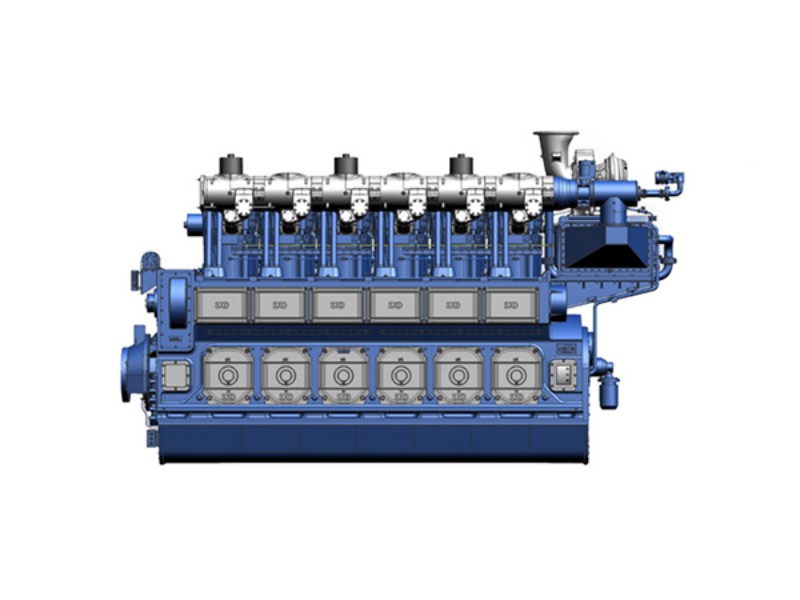
A generator rarely fails at a convenient time. It fails during peak load, bad weather, or a power outage. A natural gas generator set needs planned care to stay ready. In this article, you will learn practical maintenance tips for safer, cleaner, and more stable commercial power.
Key Takeaways
●A natural gas generator set needs regular maintenance because it often supports critical commercial loads, industrial production, or backup power systems.
●The most important checks include engine oil, coolant, air filters, fuel supply, ignition parts, batteries, control panels, and electrical output.
●Fuel system care depends on the gas source. Pipeline natural gas, liquefied natural gas, and compressed natural gas each need different inspection points.
●Load management is part of maintenance. Overload, long no-load running, and sharp load swings can shorten service life.
●Generator room conditions matter. Poor ventilation, dust, moisture, heat, and vibration can cause early faults.
●A maintenance log helps teams track running hours, service history, fault alarms, and repeated problems.
Why Maintenance Matters for a Commercial Natural Gas Generator Set
A commercial generator set is not only a machine. It is part of a power security plan. In a factory, it may protect production lines. In a hospital, it may support key systems. In a data center, it may prevent service interruption. For these sites, delayed maintenance can become a costly risk.
A natural gas generator set is often chosen for stable output, cleaner combustion, and lower operating cost. Yet these advantages depend on the condition of the system. If filters are blocked, gas pressure is unstable, or cooling is weak, the unit cannot deliver its expected value.
Maintenance also protects fuel efficiency. A gas engine needs the right air-fuel ratio, clean intake air, correct oil pressure, and stable ignition. When these areas are ignored, fuel use may rise while output quality drops. Over time, small issues can create larger repair costs.
Commercial users also need to consider duty cycle. A standby unit may run only during outages and test runs. A prime power unit may run daily. A continuous power unit may run for long hours, sometimes in a distributed energy or CHP system. These units should not follow the same maintenance frequency.
Note:Maintenance intervals should follow actual running hours, load level, fuel quality, and site conditions, not only calendar dates.
Essential Commercial Generator Set Maintenance Checklist
The first maintenance rule is simple. Check the basics before they become failures. Commercial generator sets usually work under higher expectations than small portable units. Their inspection process must be more detailed and better recorded.
Engine oil should be checked before operation. Low oil, dirty oil, or abnormal oil pressure can damage moving parts. Operators should watch for oil leakage, rapid oil consumption, and changes in oil color. Oil filters also need scheduled replacement, especially when the generator runs many hours.
The cooling system needs the same attention. Overheating is one of the most dangerous faults for a generator set. Check coolant level, radiator surface, hoses, clamps, pumps, fans, belts, and heat exchangers. In hot climates or poorly ventilated rooms, cooling checks should be more frequent.
Air filters affect combustion. If a filter is blocked, the engine may receive less air. This can reduce efficiency and cause unstable running. Dusty industrial parks, mining sites, and remote construction areas need stricter air filter inspection.
The fuel system also needs routine care. For a natural gas generator set, inspect gas pipelines, valves, regulators, filters, and leakage points. Gas pressure should stay within the required range. Poor gas supply can cause hard starting, unstable combustion, or shutdown alarms.
Ignition parts should not be overlooked. Spark plugs, ignition coils, wiring, and batteries all affect starting and running. A weak ignition system can cause misfire and poor power quality. For standby units, battery condition is especially important because the generator must start quickly.
Electrical inspection is another key step. Check voltage, frequency, breaker condition, grounding, control panel alarms, and protection devices. If the unit connects to commercial loads or operates in parallel, output stability becomes even more important.
A simple checklist can help teams reduce missed items.
Maintenance area
What to check
Why it matters
Lubrication
Oil level, oil quality, oil filter, oil pressure
Prevents engine wear
Cooling
Coolant, radiator, fan, hose, pump
Prevents overheating
Air intake
Air filter and intake path
Supports clean combustion
Gas supply
Pressure, valve, regulator, leakage
Keeps fuel flow stable
Ignition
Spark plug, coil, wiring, battery
Improves starting and running
Electrical system
Voltage, frequency, grounding, alarms
Protects connected loads
Records
Running hours, faults, service dates
Supports planned maintenance
Tip:Keep one maintenance log near the control room, and record every service action on the same day.
Fuel System Maintenance for Pipeline Natural Gas, LNG, and CNG Units
Fuel supply is central to gas generator performance. A commercial natural gas generator set may use Pipeline natural gas, Liquefied natural gas, or Compressed natural gas. Each option can work well, but each one needs the right inspection method.
Pipeline natural gas is often used where stable gas infrastructure is available. It can support industrial parks, commercial buildings, factories, and distributed power projects. The main inspection points include pressure stability, gas regulator performance, valve condition, and pipeline leakage. Moisture or impurities in the gas line should also be controlled.
Liquefied natural gas needs extra attention before it enters the engine. LNG must be vaporized and regulated correctly. Operators should inspect vaporization equipment, pressure control devices, safety valves, and frost-related issues. If vaporization is unstable, the generator may receive poor fuel flow.
Compressed natural gas needs careful pressure management. The system may include storage cylinders, decompression devices, connectors, valves, and pressure control parts. These parts should be checked for leakage, wear, and safe operation. A CNG system can be useful where pipeline gas is not available, but safety checks must be strict.
Gas quality affects maintenance frequency. Moisture, sulfur compounds, dust, and unstable calorific value can increase engine stress. If the gas source changes, the maintenance plan may also need adjustment. For some projects, gas filtration or treatment may be necessary.
Some project teams use a practical estimate during early planning: 1m³ gas power 4.2kW.h electricity. This value should be verified against actual gas composition, generator efficiency, load rate, and site conditions. It can help with early discussion, but it should not replace engineering calculation.
Note:Fuel data used for project planning should be verified by gas analysis and generator supplier review.
Load Management Tips to Prevent Generator Set Damage
Maintenance is not only about parts. It also includes how the generator is used. A good unit can still fail early if it runs under poor load conditions.
Overload is a major risk. When a generator runs above its rated output, engine temperature can rise. Voltage may become unstable. Components may wear faster. For a 200kW-4000kW gas generator set project, load calculation should be done carefully before installation.
Long no-load operation is also not ideal. If a generator runs for too long without meaningful load, combustion may become less efficient. It may waste fuel and increase deposits. Standby units should be tested, but test runs should follow the supplier’s guidance.
Sharp load swings should also be reduced when possible. A sudden large load can stress the engine, alternator, and control system. If the site has heavy motors, compressors, pumps, or chillers, startup sequence matters. Operators should avoid starting all large loads at once.
Load records can reveal hidden problems. If a generator often runs near full load, it may need shorter maintenance intervals. If it runs with low load for long periods, the site may need load bank testing or a better operating plan.
Tip:Review the load profile every few months, especially after adding new production lines or large electrical equipment.
Site Environment and Installation Conditions That Affect Maintenance
The generator room has a direct effect on maintenance needs. Even a well-designed natural gas generator set can face problems in a poor environment. Heat, dust, moisture, poor airflow, and vibration all increase risk.
Ventilation is the first concern. A generator needs enough air for combustion and heat removal. If airflow is weak, engine temperature may rise. Exhaust heat may also stay in the room. This can affect sensors, wiring, batteries, and control equipment.
Dust is another common issue. Dust can block air filters, cover radiators, and enter electrical cabinets. In cement plants, mines, paper mills, and outdoor industrial sites, teams should inspect filters and radiator surfaces more often.
Moisture can damage insulation and electrical contacts. Coastal areas, rainy climates, and humid rooms need better sealing, drainage, and inspection. Corrosive gas can also shorten the life of metal parts and connectors.
The generator should have enough service space. Technicians need safe access to oil filters, air filters, control panels, cooling parts, gas valves, and cable areas. A crowded room makes maintenance slower and less safe.
Noise and vibration should also be monitored. New vibration, loose bolts, foundation cracks, or abnormal sound can point to mechanical problems. Early inspection can prevent larger damage.
Maintenance Schedule for Commercial and Industrial Users
A clear schedule keeps maintenance practical. It also helps teams avoid random checks and missed service tasks. The schedule should match the generator’s duty mode, site conditions, and running hours.
Daily or pre-start checks should cover oil level, coolant level, gas pressure, battery status, visible leakage, control panel alarms, and room ventilation. These checks are simple, but they catch many common issues.
Weekly or monthly test runs are useful for standby units. During the test, operators should confirm quick starting, stable voltage, stable frequency, normal temperature, and alarm response. If the unit supports an automatic transfer system, transfer testing should be included under safe conditions.
Operating-hour-based service is important for prime and continuous units. Oil changes, filter changes, spark plug checks, coolant service, and electrical inspection should follow running hours. A unit used for 24/7 power needs closer attention than a backup unit.
Annual inspection should be more complete. It can include engine performance, alternator insulation, control logic, protection devices, gas system safety, exhaust system, ventilation, grounding, and load history. The team should also review repeated alarms and update the maintenance plan.
Full system inspection and maintenance plan review
This table is only a planning guide. Actual schedules should follow the generator supplier’s instructions and the real site workload.
Warning Signs That Your Generator Set Needs Immediate Attention
Many generator problems show warning signs before failure. Operators should know these signs and respond early. Waiting too long can turn a small issue into a shutdown.
Hard starting is one of the clearest signs. It may come from weak batteries, ignition problems, low gas pressure, control faults, or starter issues. For standby power, hard starting is a serious warning because the unit may fail during an outage.
Abnormal temperature should also be taken seriously. High coolant temperature, blocked radiator surfaces, poor ventilation, low coolant, or pump problems may cause overheating. The unit should not be forced to keep running without diagnosis.
Low oil pressure is another urgent sign. It may indicate low oil level, oil pump issues, oil leakage, or internal wear. Continued operation can damage the engine.
Unstable voltage or frequency can affect connected equipment. It may come from load problems, alternator faults, control issues, or engine instability. Commercial users should not ignore repeated output fluctuation.
Rising fuel consumption can signal poor combustion. Dirty air filters, unstable gas quality, bad ignition, sensor faults, or overload can all increase fuel use. Lower power output under the same conditions is also a warning sign.
Noise, vibration, exhaust odor, and visible leakage should trigger inspection. These issues may relate to loose parts, misfire, exhaust leaks, gas leakage, or mechanical wear. Safety should always come before continued operation.
Conclusion
Reliable power starts with planned care. A natural gas generator set needs regular oil, cooling, fuel, ignition, electrical, and load checks. Jiangsu Kelinyuan Clean Energy Technology Co., Ltd.provides gas generator set solutions for industrial and commercial energy needs. Its products support stable output, lower emissions, efficient gas use, and long-term value through proper operation and service planning.
FAQS
Q: What maintenance does a natural gas generator set need?
A: A natural gas generator set needs oil, coolant, filter, ignition, gas, battery, and control checks.
Q: How often should commercial generator sets be serviced?
A: Service them by running hours, duty mode, fuel quality, and site conditions.
Q: Why does a natural gas generator set fail to start?
A: A natural gas generator set may fail due to battery, ignition, gas pressure, or control faults.
Q: Is gas generator maintenance cheaper than diesel?
A: Often yes, but cost depends on fuel quality, load, parts, and service frequency.
Q: How do I reduce generator set downtime?
A: Use planned inspections, load tests, clean filters, stable fuel, and accurate records.